Website, print, and interior design support for a nonprofit rooted in community.
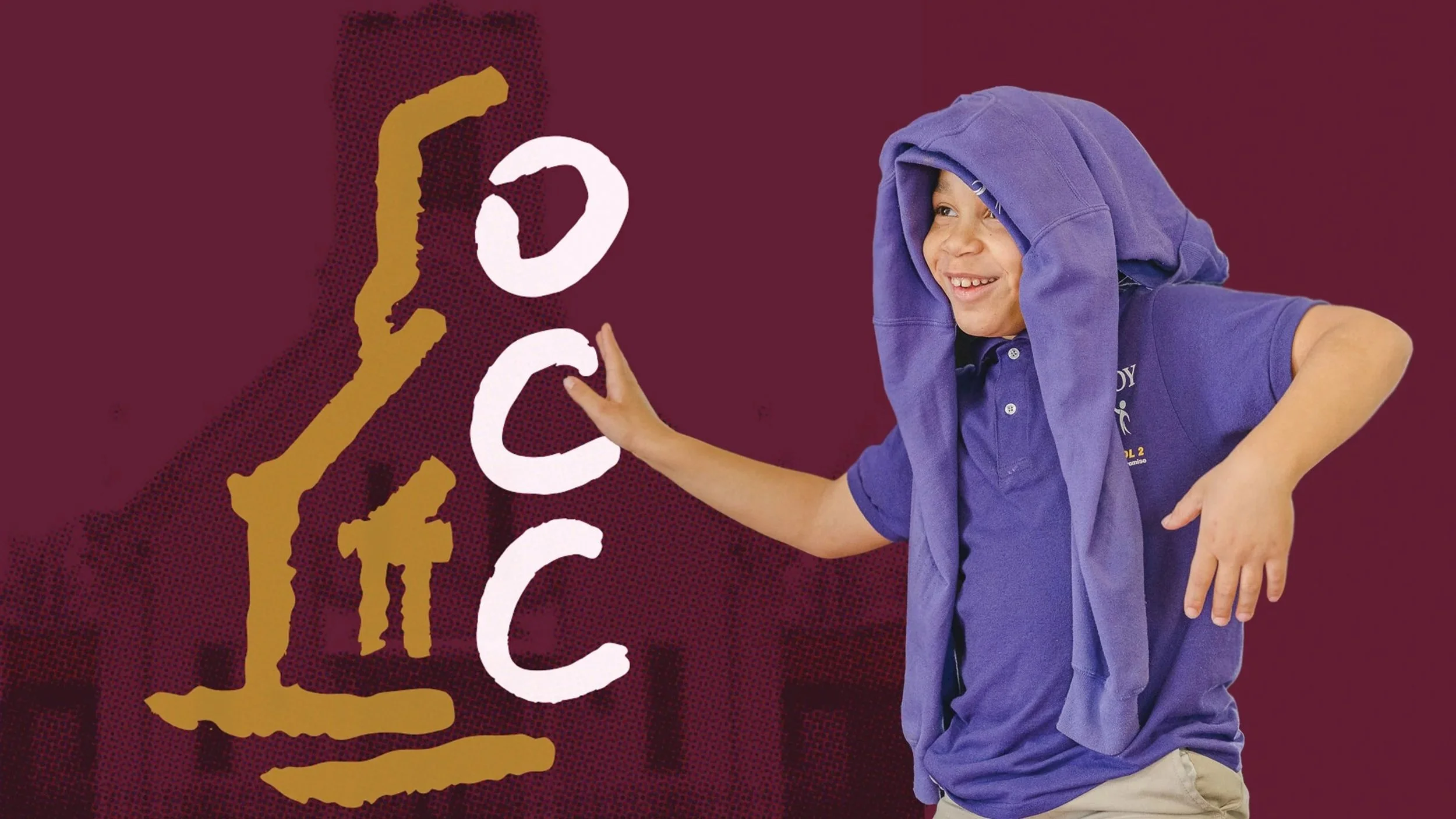
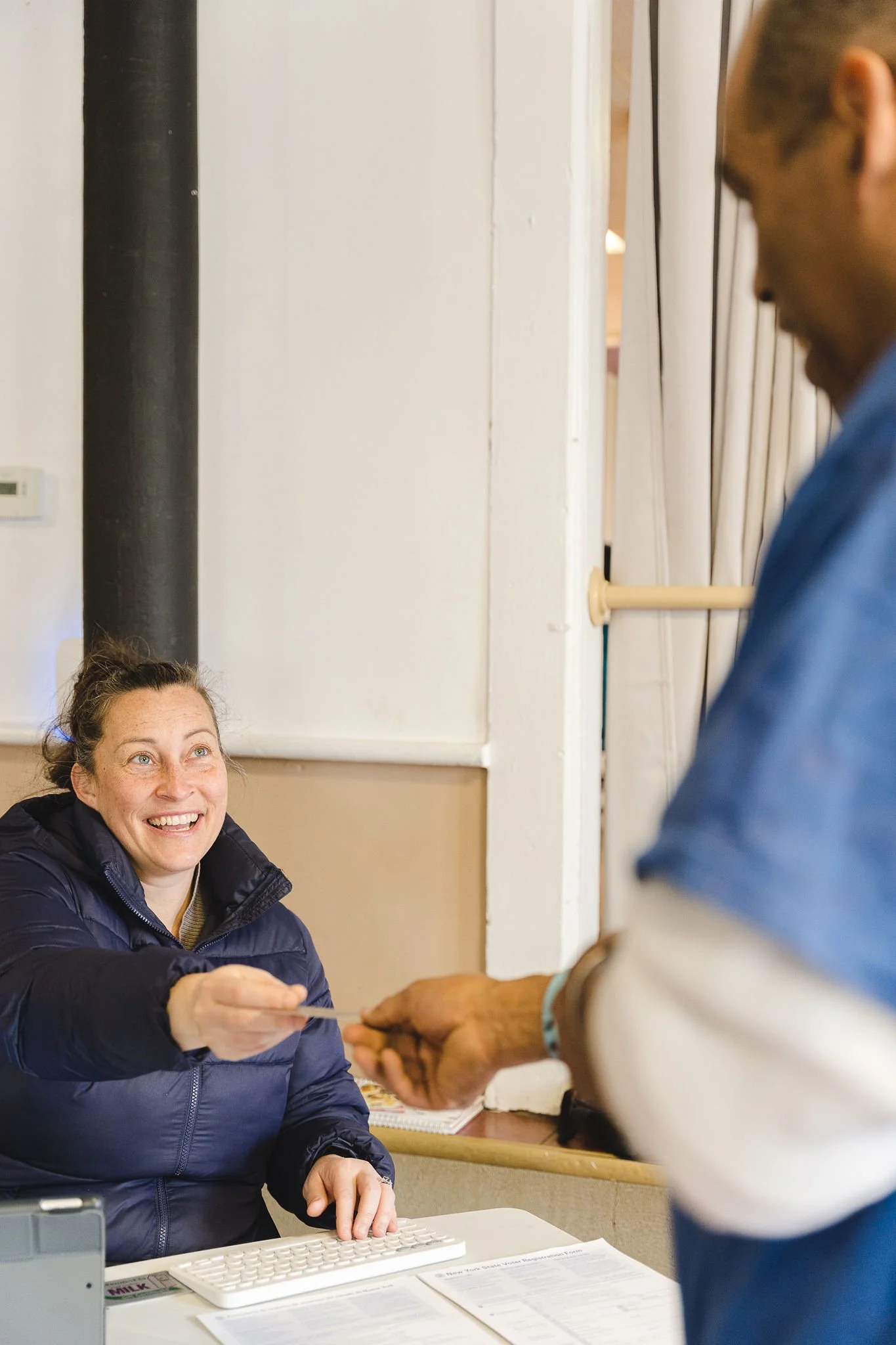
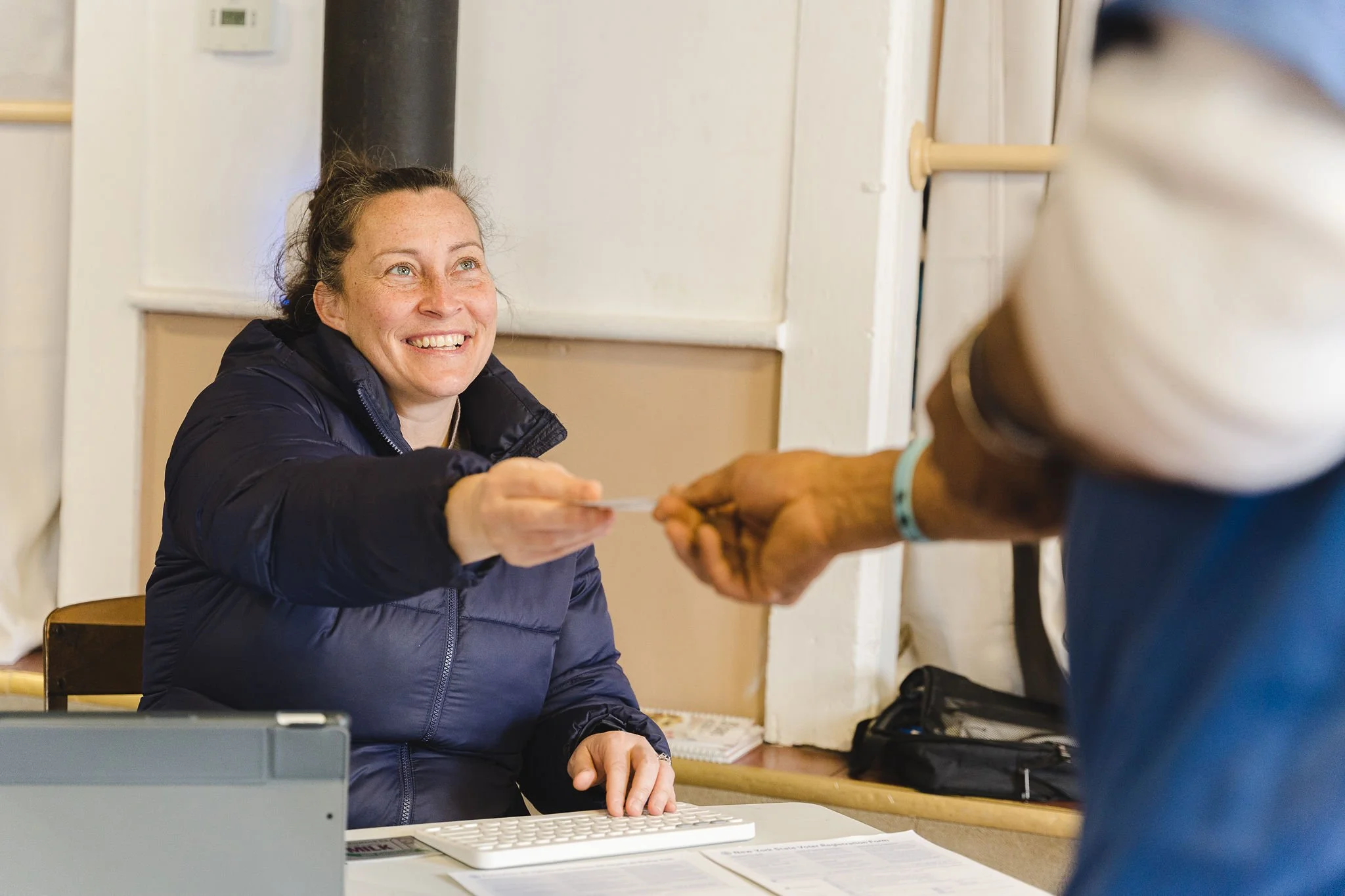
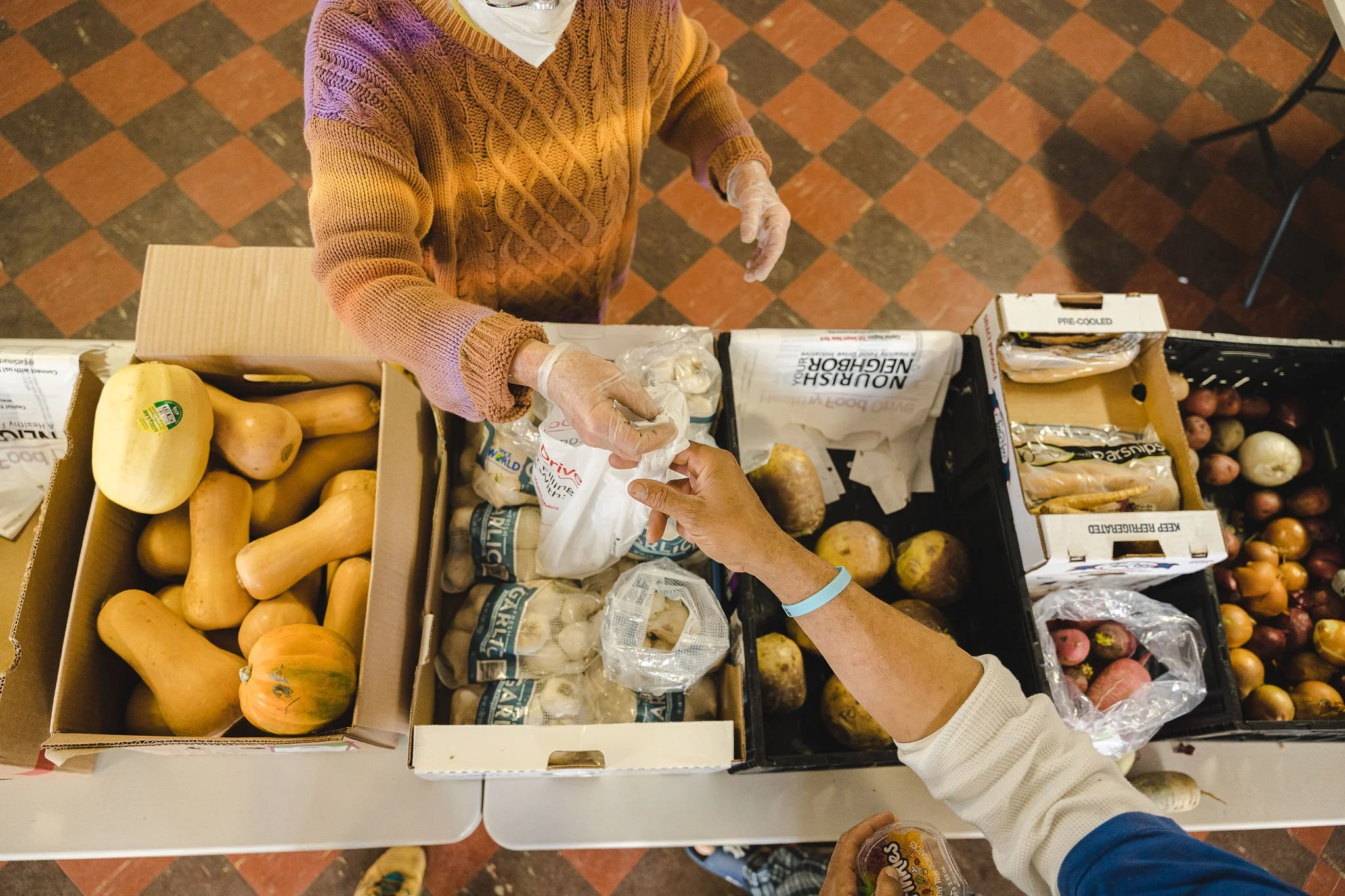
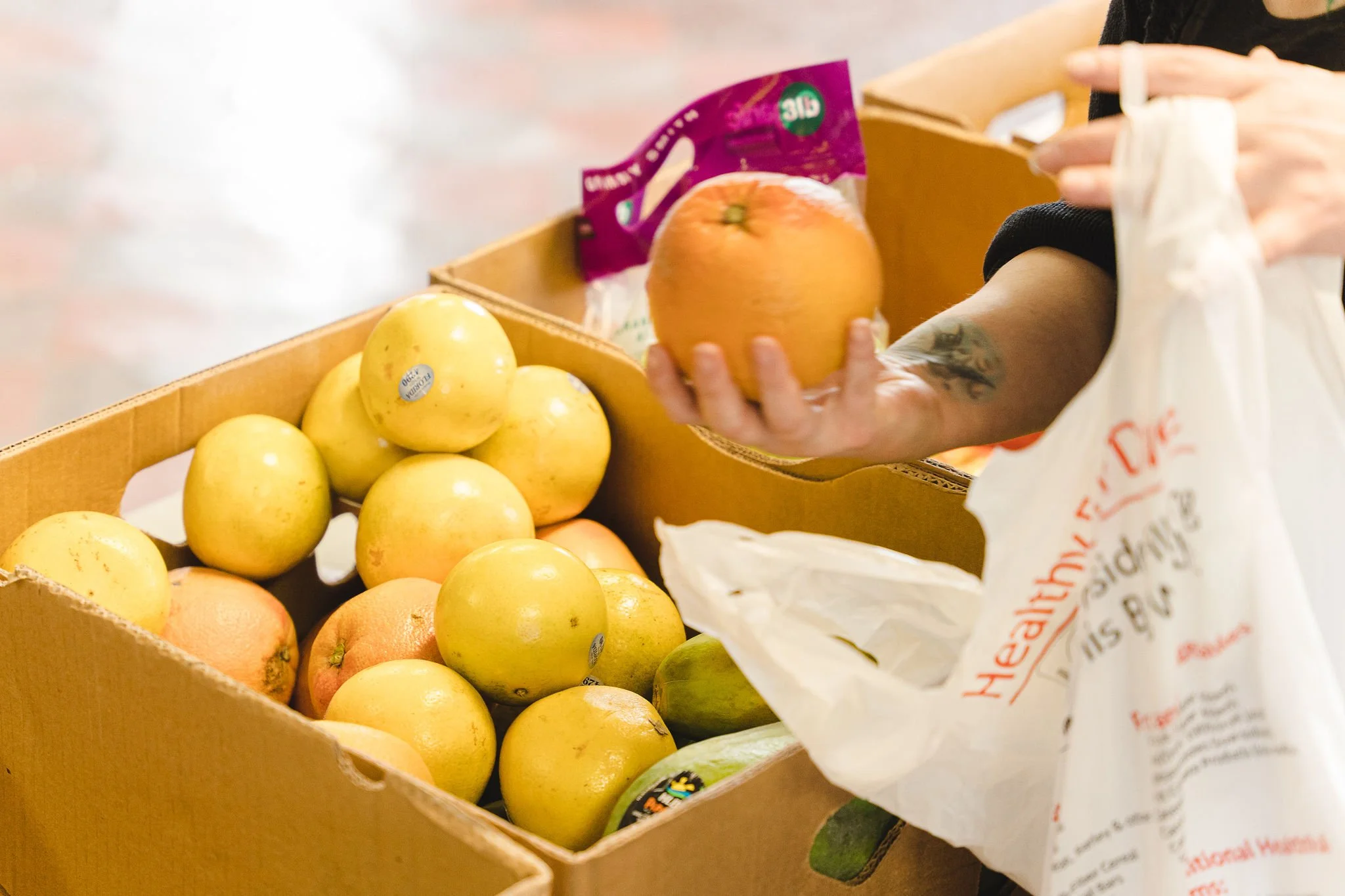
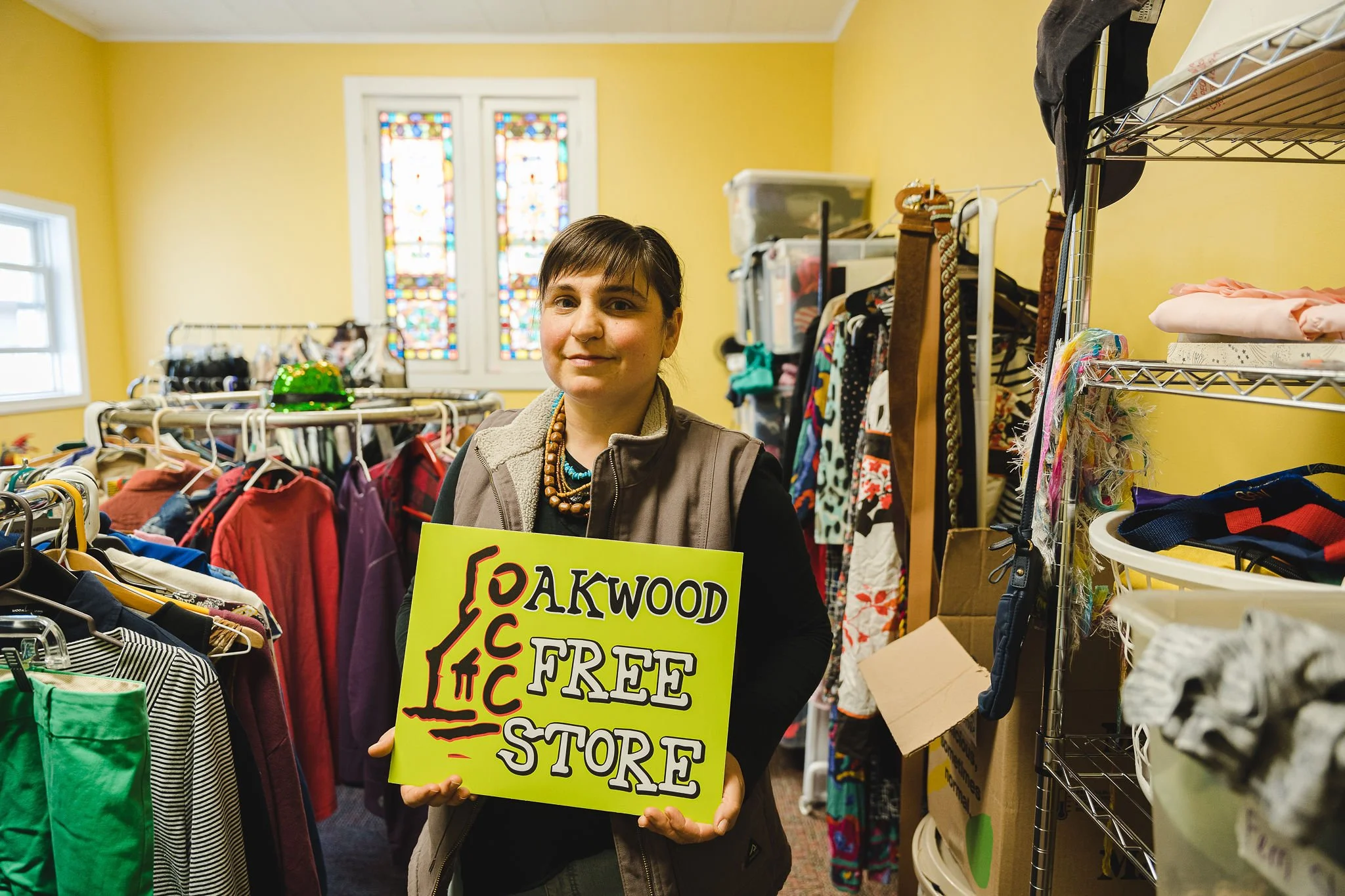
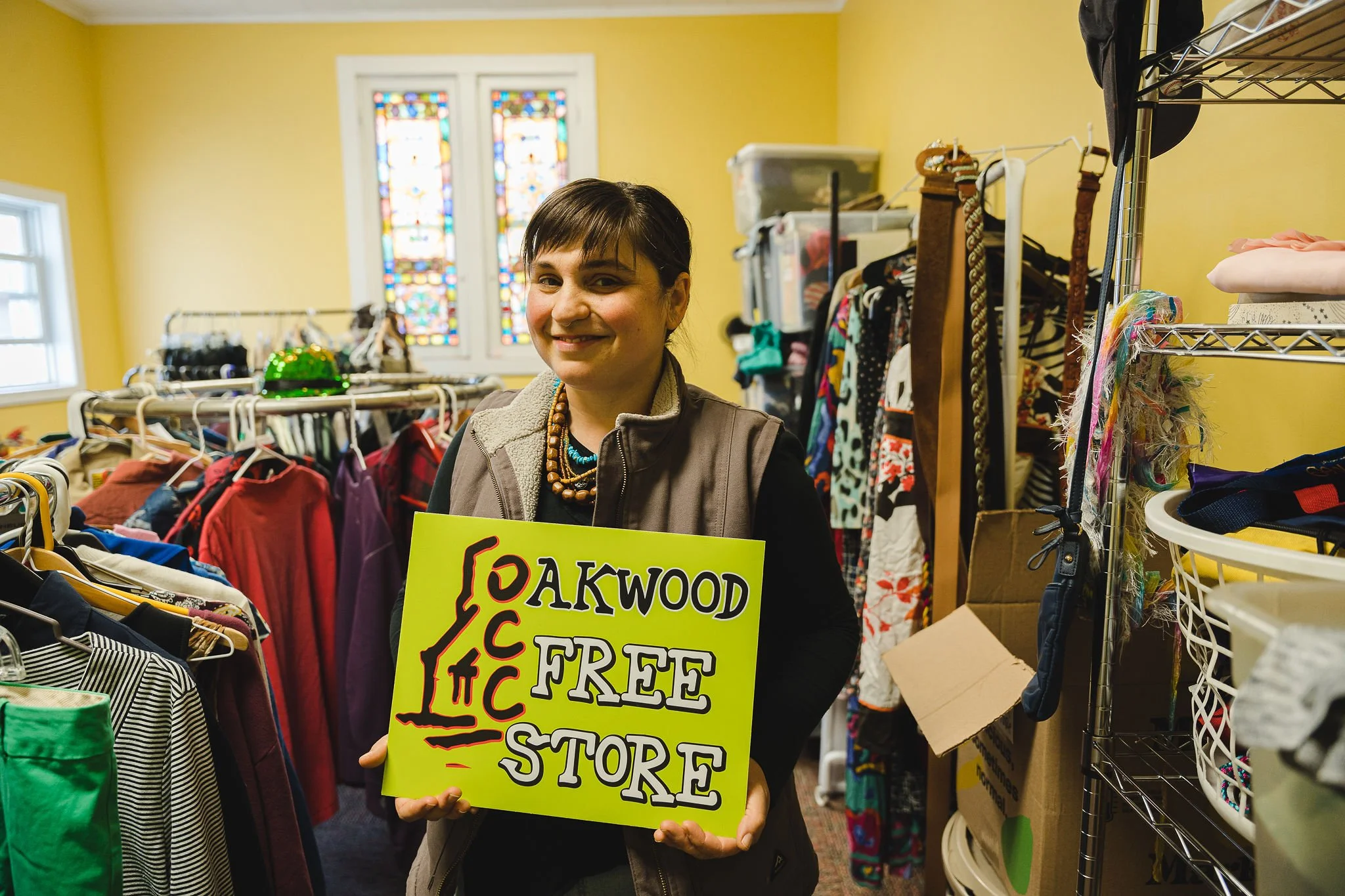
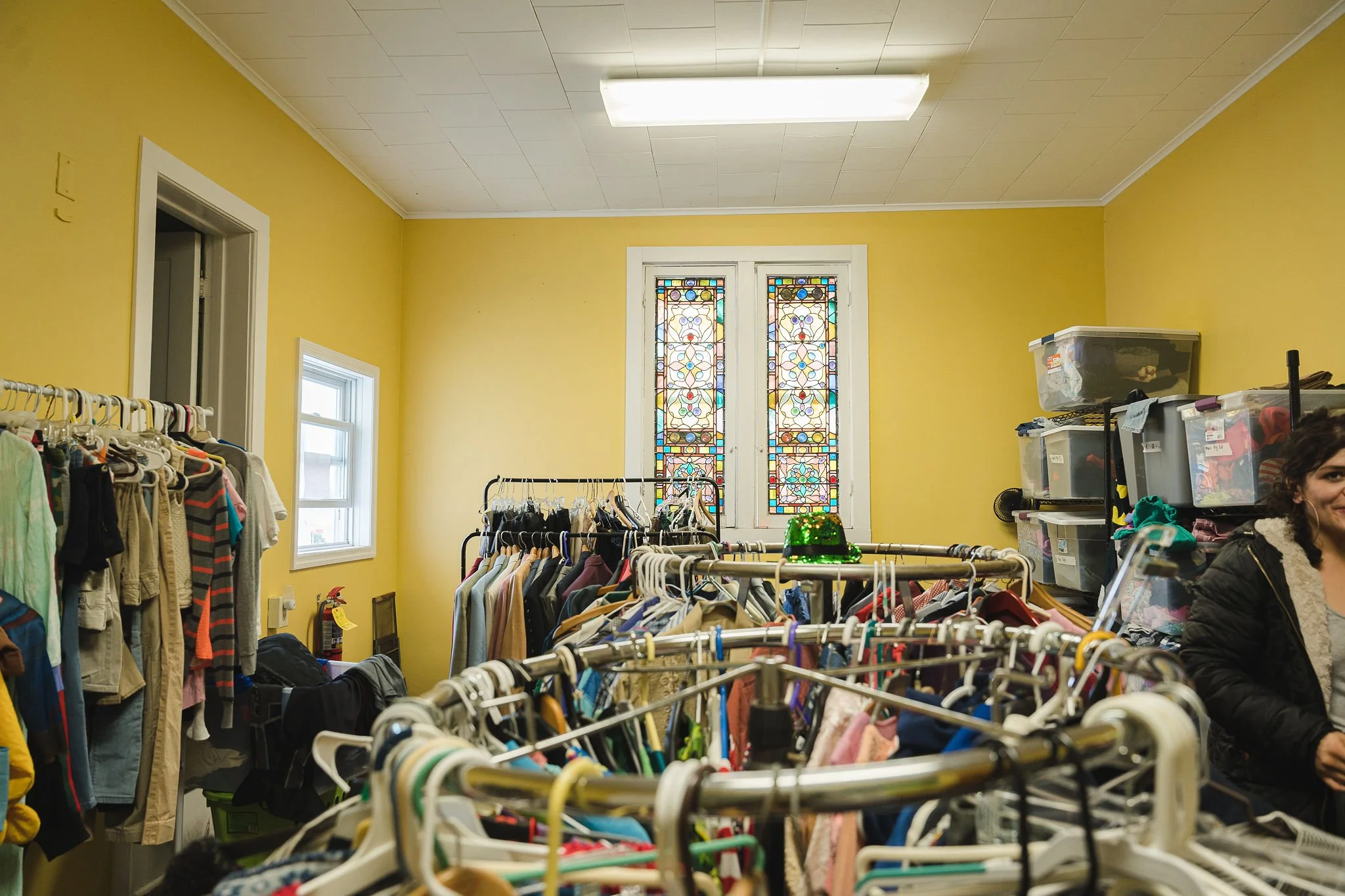
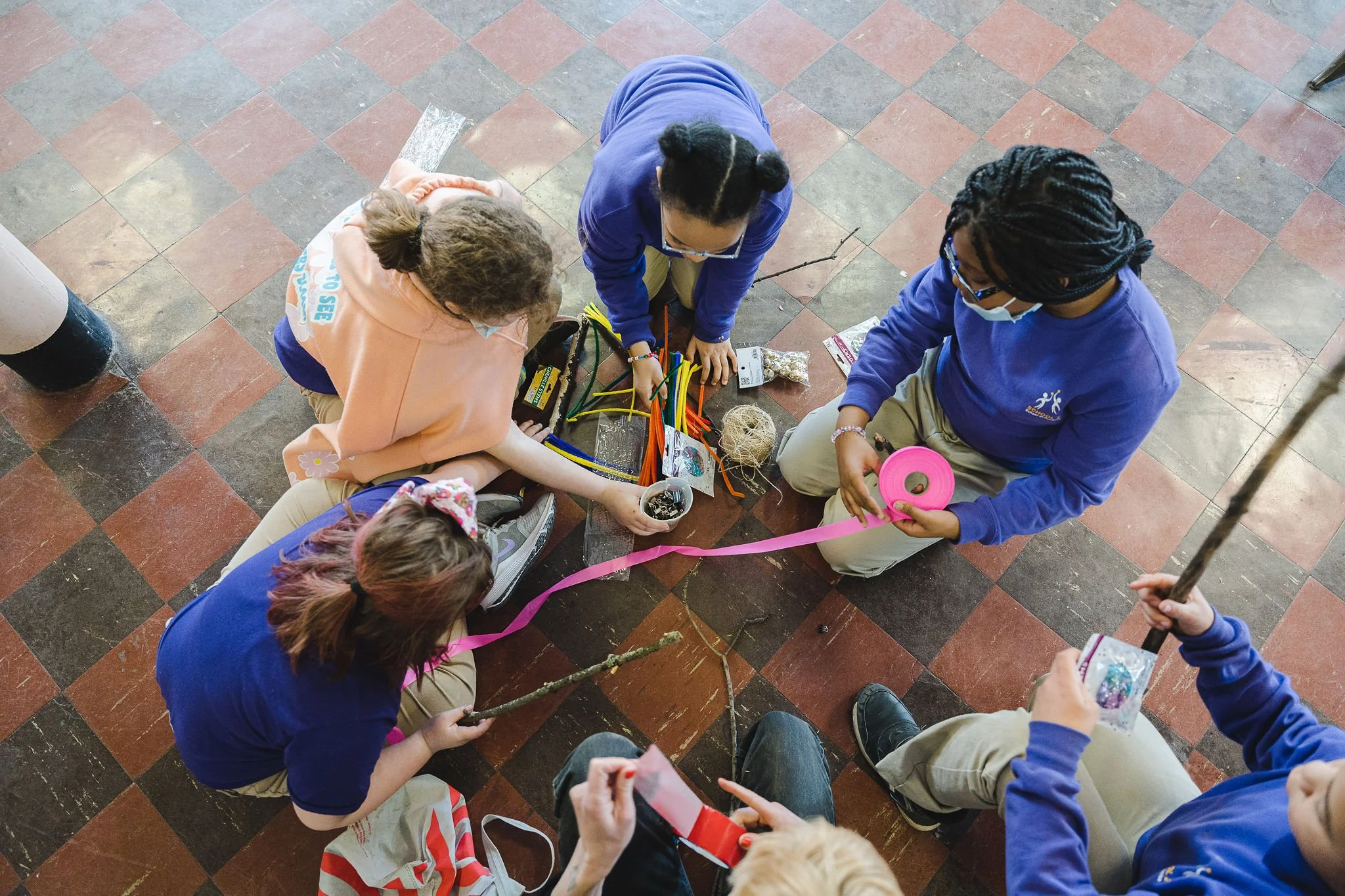
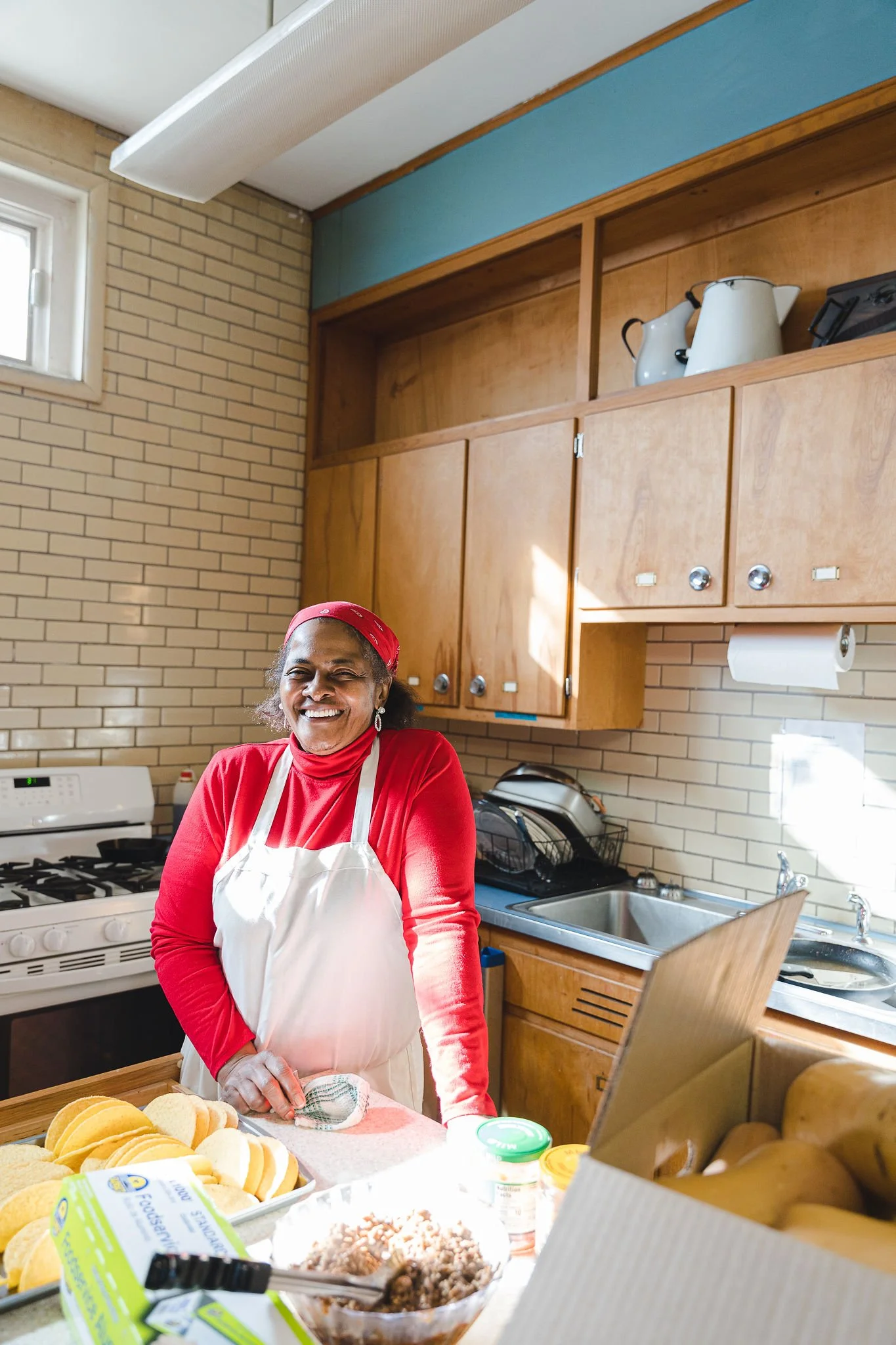
Oakwood Community Center brings people together through community programs, creative activities, shared resources, and gathering spaces in Troy. Its work includes a food pantry, a free store, and affordable spaces for meetings and events. My work supported how the organization presented itself and how its spaces could serve the people using them.
With a one-person staff at the time, Oakwood needed design support that respected its capacity, resources, and daily responsibilities. I worked closely with Shanna, the Executive Director, to understand those needs and develop materials and recommendations the organization could continue using.
I redesigned the website to give Oakwood a welcoming, professional presence while keeping the editing process manageable for its staff. The website needed to communicate the center’s work and make it easy to share information as programs and activities changed. That balance between presentation and everyday usability guided the project.
The communications work extended to printed newsletters, envelope layouts, rack cards, and other promotional materials. I handled layout, revisions, and finishing details, helping Oakwood carry a consistent visual identity across the ways it reached its community.
Our work together also included interior design planning. I developed a design proposal, project plan, furniture selection guide, and layout concepts for spaces that needed to accommodate several uses throughout the week.
For the upper parlor, I proposed a comfortable setting for conversation, small meetings, and coworking, with a children’s area and a small display from the free store. The layout combined lounge seating with shared tables, using open shelving to define areas and provide storage. A reading nook and children’s table gave younger visitors a place within the larger room.
The color recommendations drew from the existing warm floor tile, bringing terracotta onto the lower walls and pairing it with a neutral white above. Blue and green furniture, dark accents, and brighter details around the free-store display added variety. I planned around existing furniture and researched additional pieces from retailers and secondhand sources, with options that could be introduced as resources allowed.
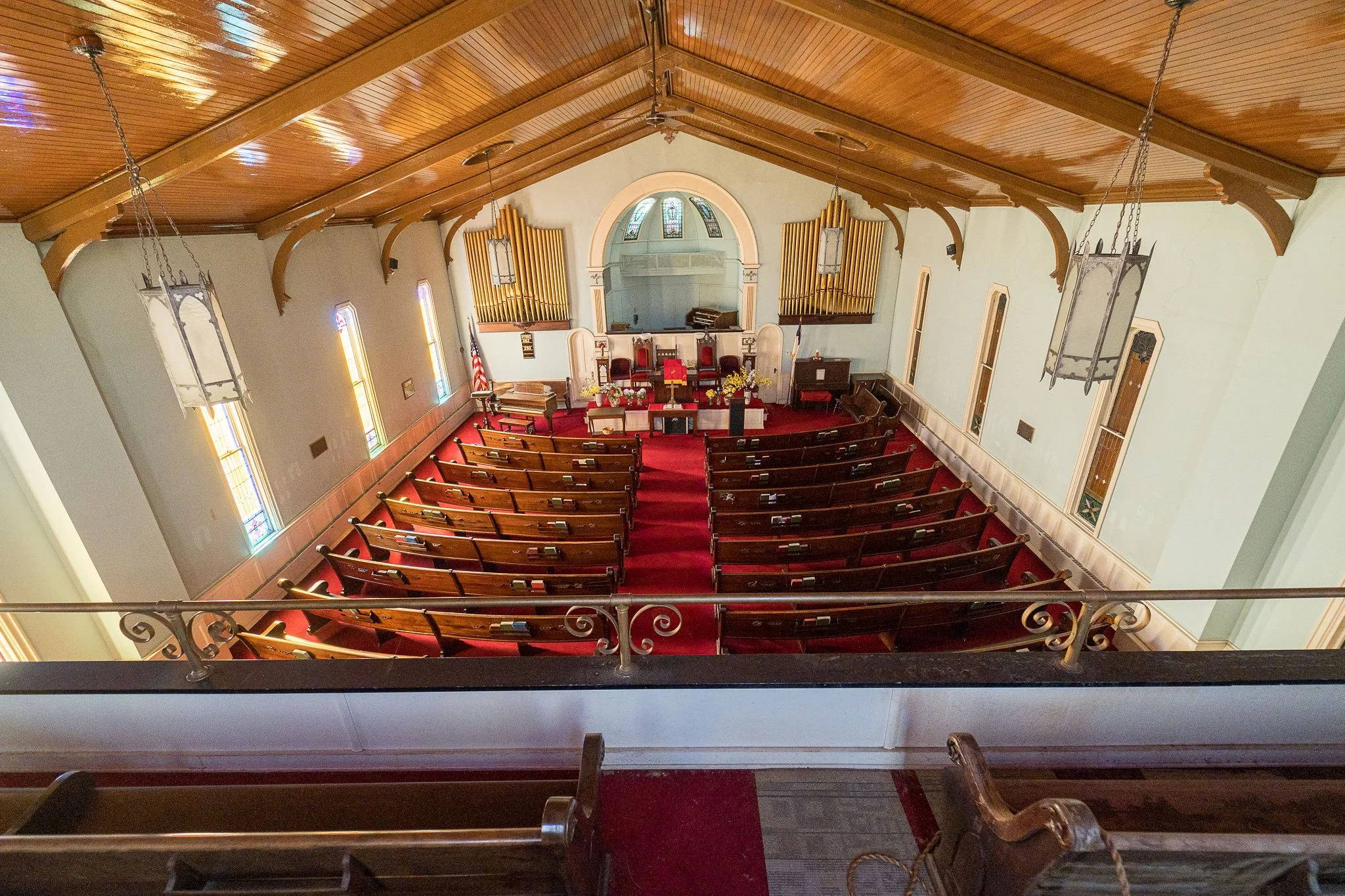
For the lower parlor, the design plan addressed a larger gathering space used for worship, performances, dinners, parties, and community activities. Recommendations included darker lower walls, a dark ceiling, warm pendant lighting, and a treatment to give the stage a stronger presence. For the classroom, I suggested focused updates to storage, ceiling color, and the chalkboard wall.
These guides gave Oakwood a visual reference for discussing priorities, selecting furniture and paint, and planning updates over time. More than five years later, the organization shared that it was still using many of the design elements from our work together.
In Their Words
“Katie helped our non profit community center build our social presence. In addition to elevating our website design while also keeping the backend simple enough for our one person staff to operate, she also handled several print publications and promotional materials for us. Working with Katie was a relief. She ‘got’ exactly what I was looking for and knew exactly how to work with our organization's needs and limitations. I never felt pressured or judged, just supported. Her style is simultaneously clean and warm, professional and relevant without being trendy. We still use most of her design elements more than 5 years later.”
- Shanna, Oakwood Community Center
Visit Oakwood Community Center
PROJECT DETAILS
Client · Oakwood Community Center
Location · Troy, New York
Project type · Nonprofit communications and interior design consulting
My role · Website design, print publications, promotional materials, space planning, furniture research, and color recommendations
EXPLORE OTHER SECOND HOUSE WORK →