The Maples Estate · Schoharie, New York
Hospitality · Interiors · Landscape · Experience Design · Weddings · Brand · Business
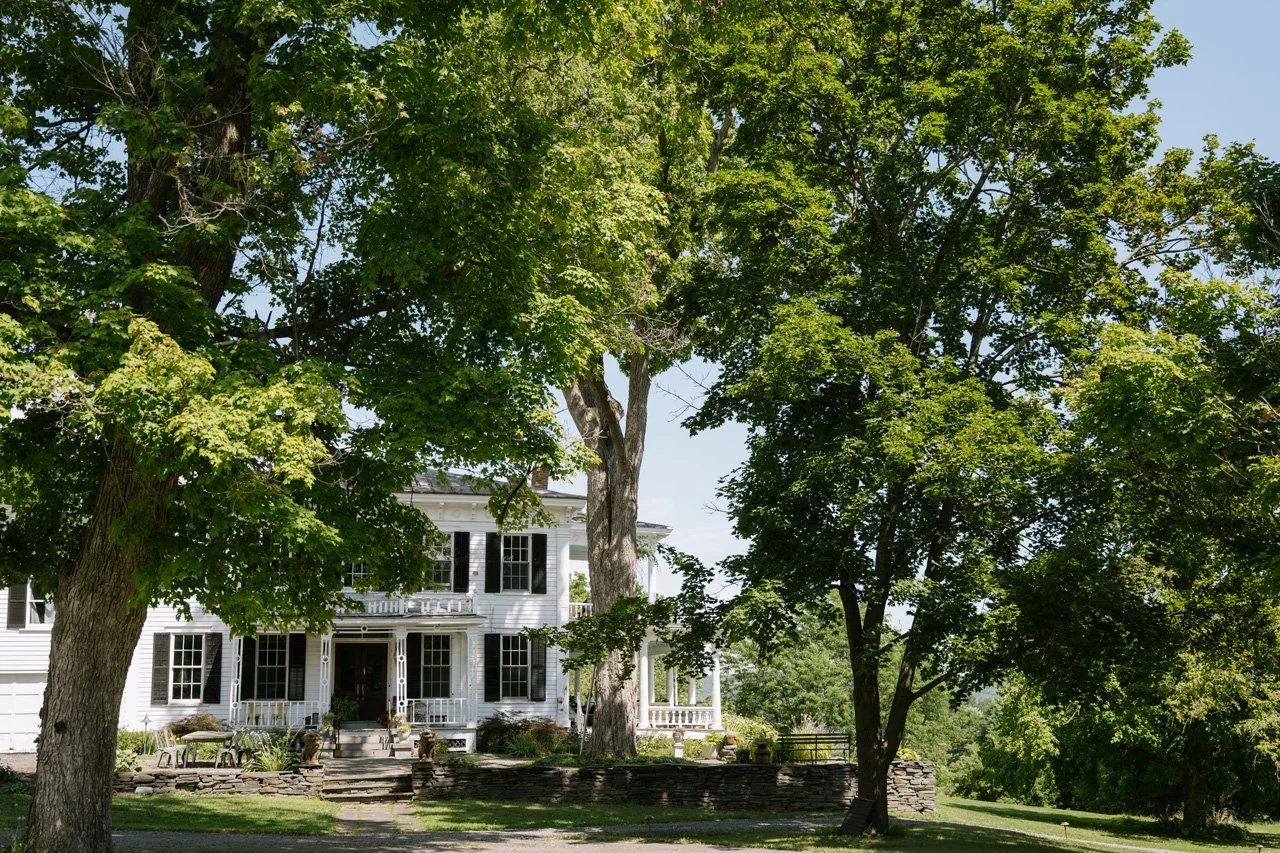
The Maples Estate is an extended-weekend wedding venue set on 12.5 acres in Schoharie, New York.
But before it became a venue, it was an 1855 colonial farmhouse, a barn, a piece of land, and an idea about how we wanted people to experience a wedding.
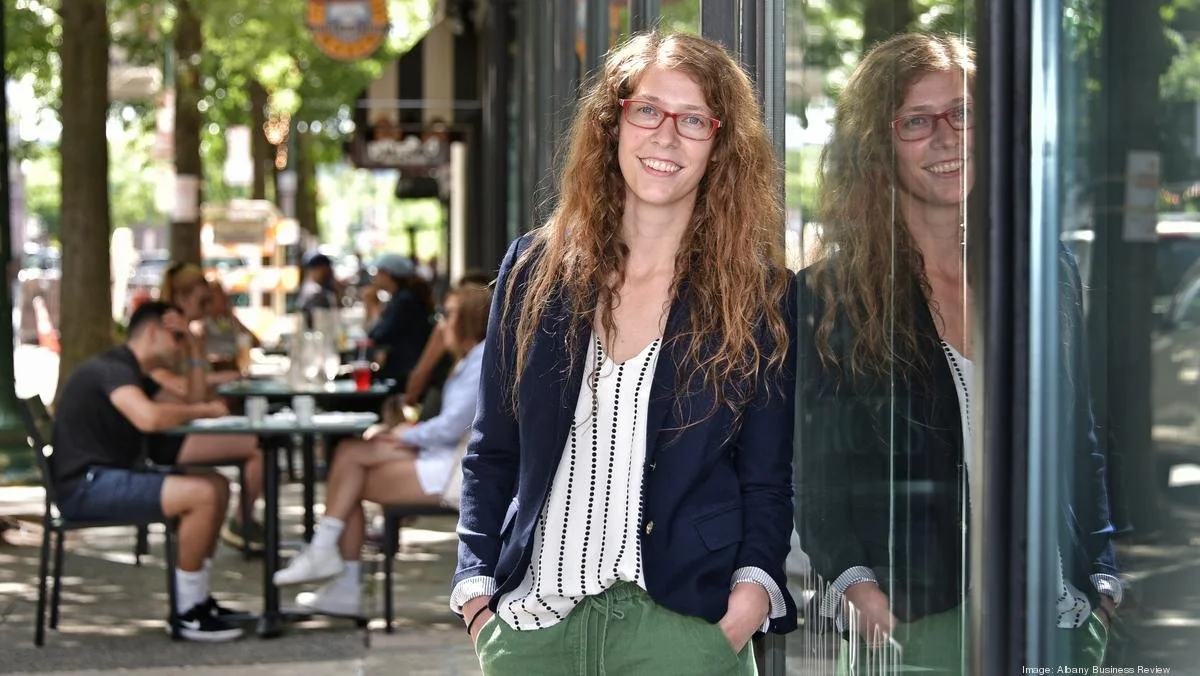
The Maples Estate was once The Maples, when we first purchased the property back in 2018. My husband, Louis, and I have been slowly transforming the estate into a place centered around hospitality, creativity, nature, and time together.
In many ways, The Maples Estate is the project where all of the different parts of my career finally found themselves in the same place.
It has required me to think like a business owner, venue operator, wedding planner, event producer, interior designer, landscape designer, creative director, marketer, host, and occasionally someone standing in a field wondering if a tree surrounded by some cottage garden plantings or letting the meadow grow, would help guests feel more grounded in the open space.
The project has touched nearly every part of what would eventually become Second House. And it is still very much a work in progress.

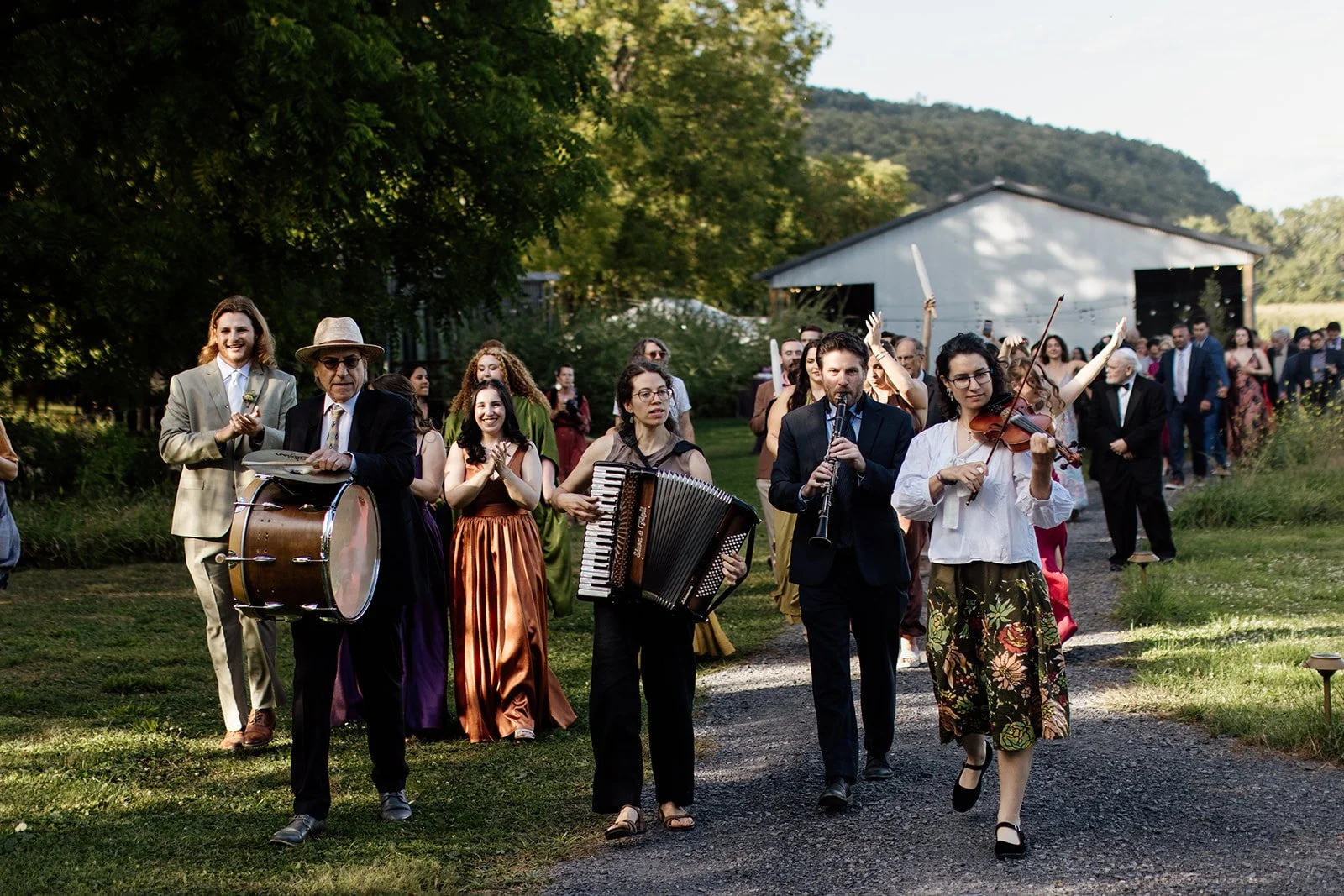

THE IDEA. What if a wedding venue felt more like coming home?
From the beginning, we weren't particularly interested in creating a place where people arrived for a few hours, followed a prescribed sequence of events, and went home.
We wanted to create somewhere people could settle in, that allowed them to be themselves and show up authentically. A space that gave people time to connect with their loved ones and truly experience every moment of their wedding.
That became the foundation of The Maples Estate: an exclusive-use wedding venue where celebrations unfold over an extended weekend rather than a single day.
The extra time isn't an amenity added onto the wedding. The time is part of the design.
We wanted couples to have enough of it to actually be present with the people who had traveled to celebrate with them.
That one idea has informed almost every decision we've made since.
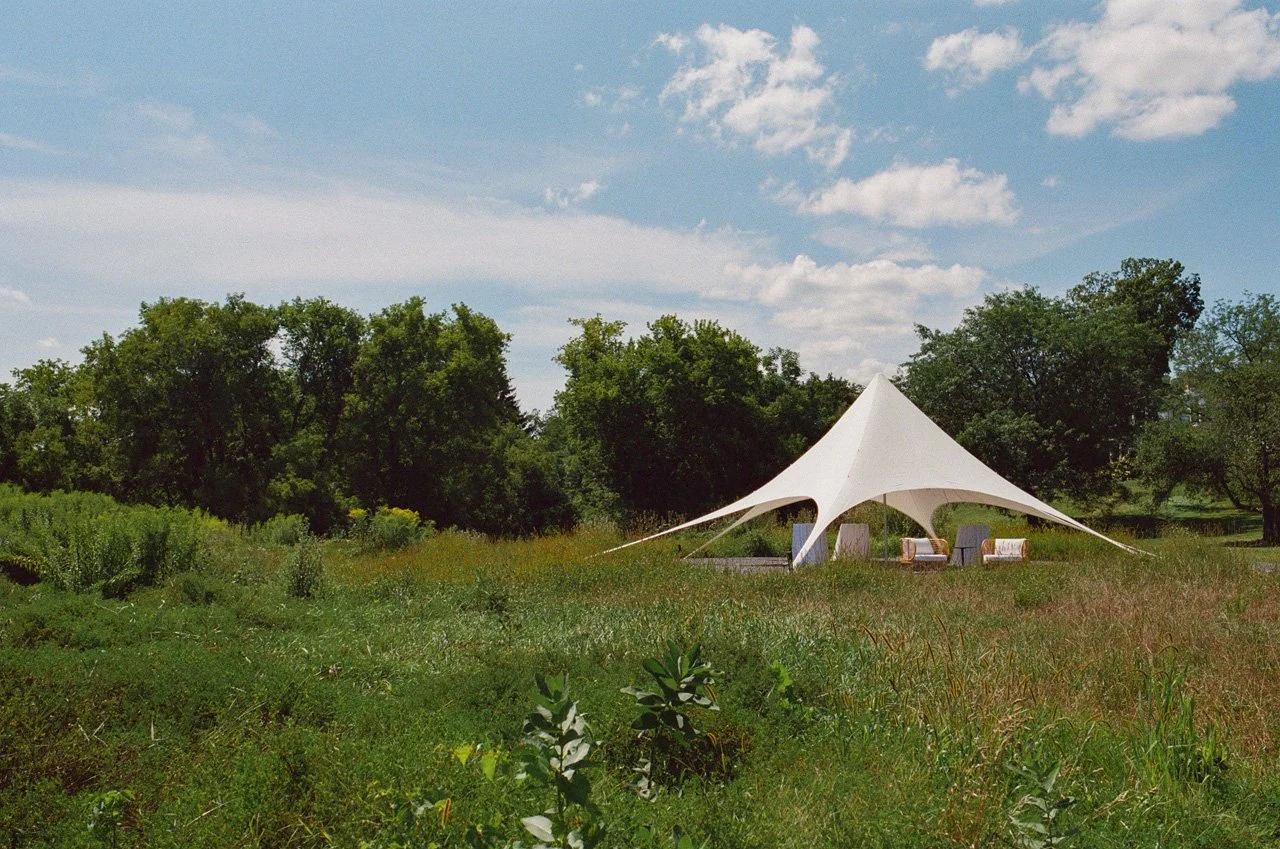
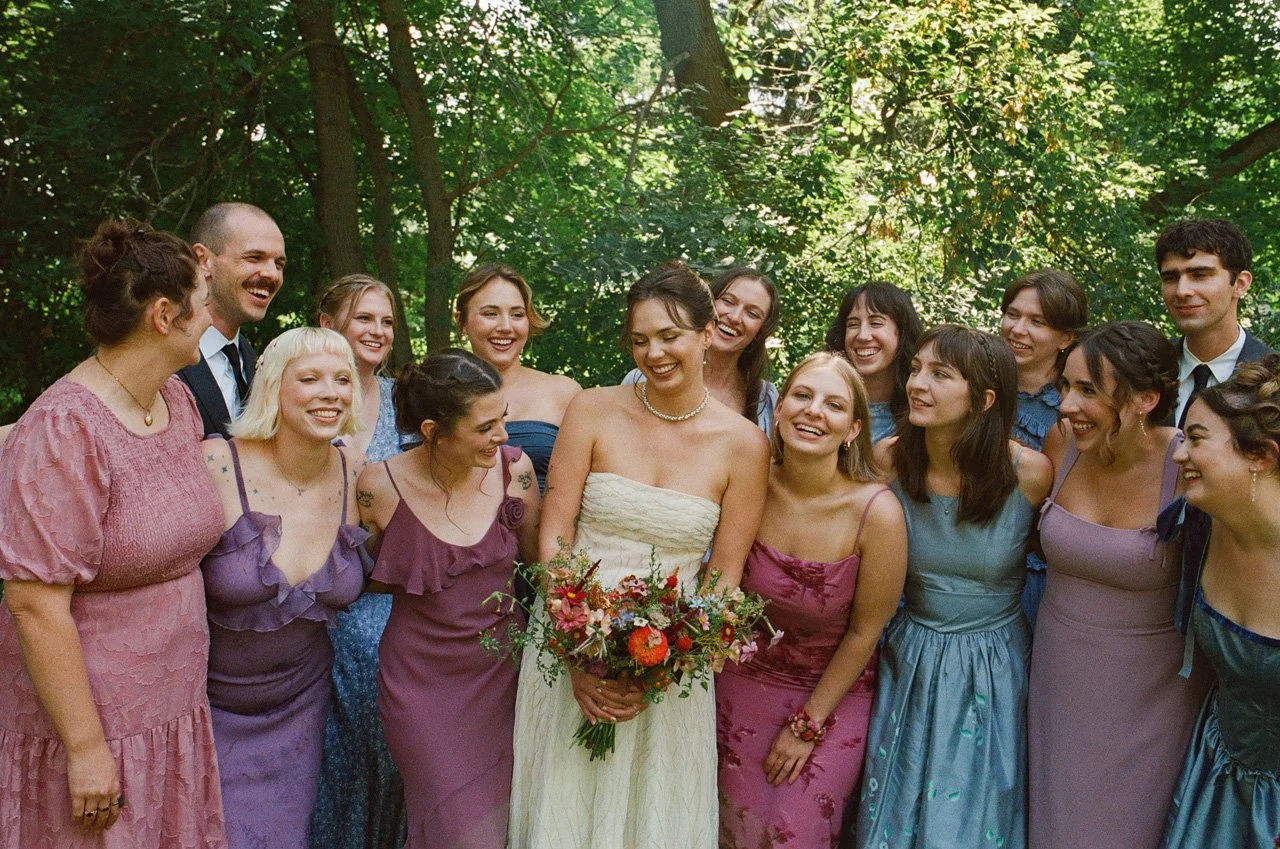
THE STARTING POINT. An 1855 colonial farmhouse and 12.5 acres.
When we began working on The Maples, we weren't starting with a purpose-built wedding venue. We were starting with an old house and a property that needed us to figure out what it wanted to become.
That distinction has mattered.
Rather than taking on an existing venue or imposing a traditional venue layout onto the land, we began paying attention to what was already there: the farmhouse, mature trees, fields and meadows, the hillside views, the pond, the creek, the changing light throughout the day, and the places where you naturally wanted to stop and stay awhile.
The goal has never been to make the property feel new or overly polished. It has been to understand what is already special about it and build from there.
That has meant renovating some things, restoring others, building what the property genuinely needed, and occasionally deciding that the best design decision was to leave something alone and let it grow.
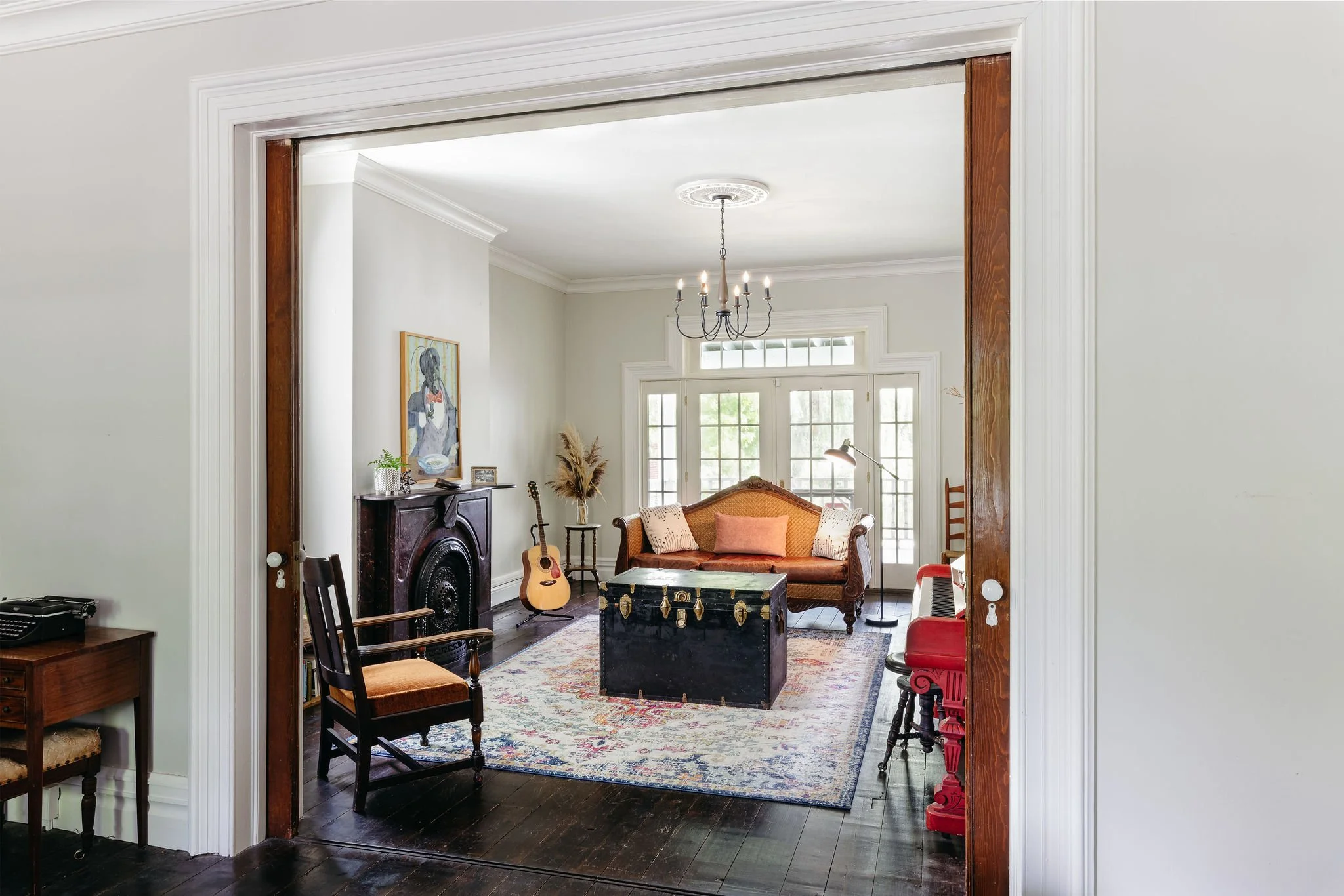
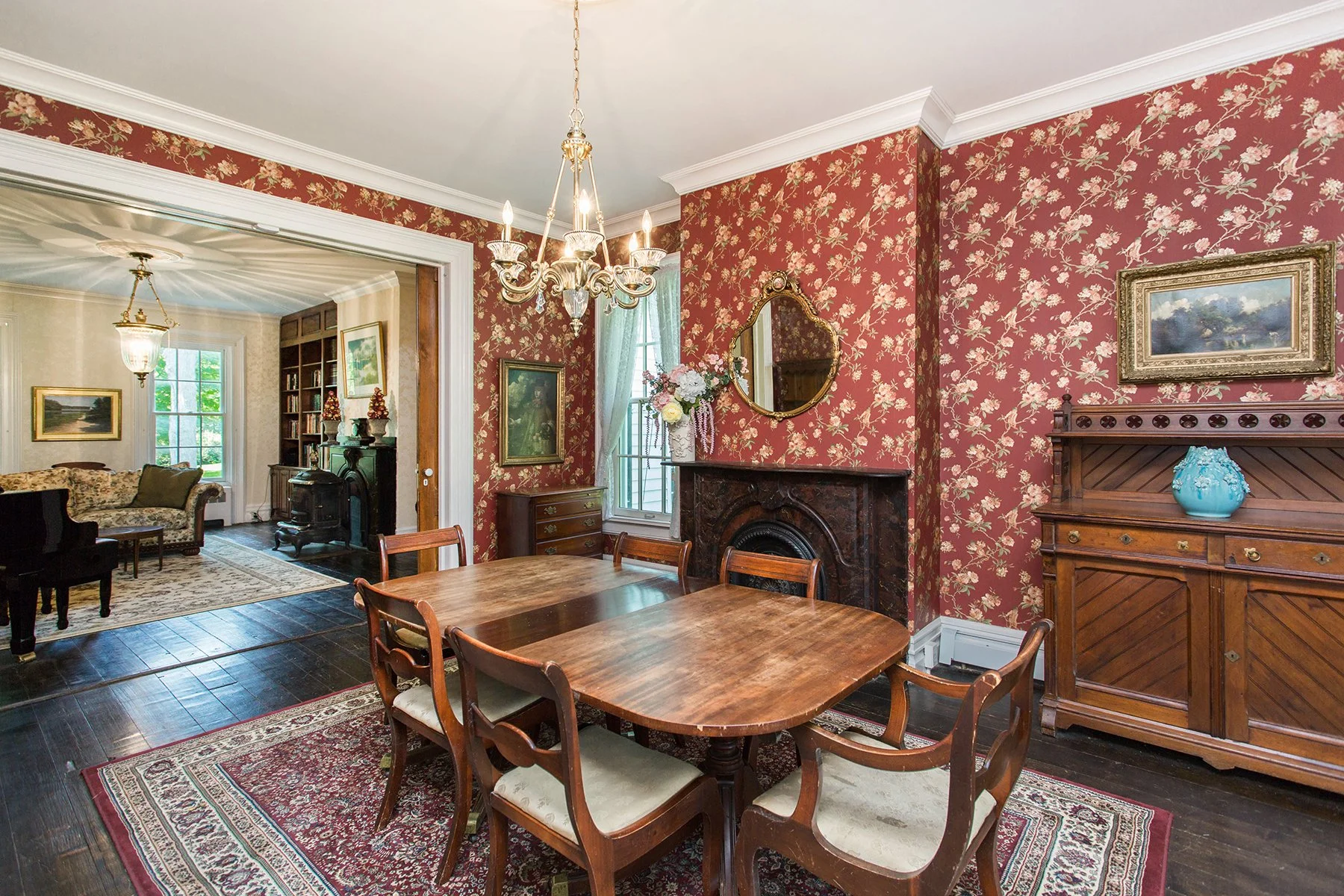
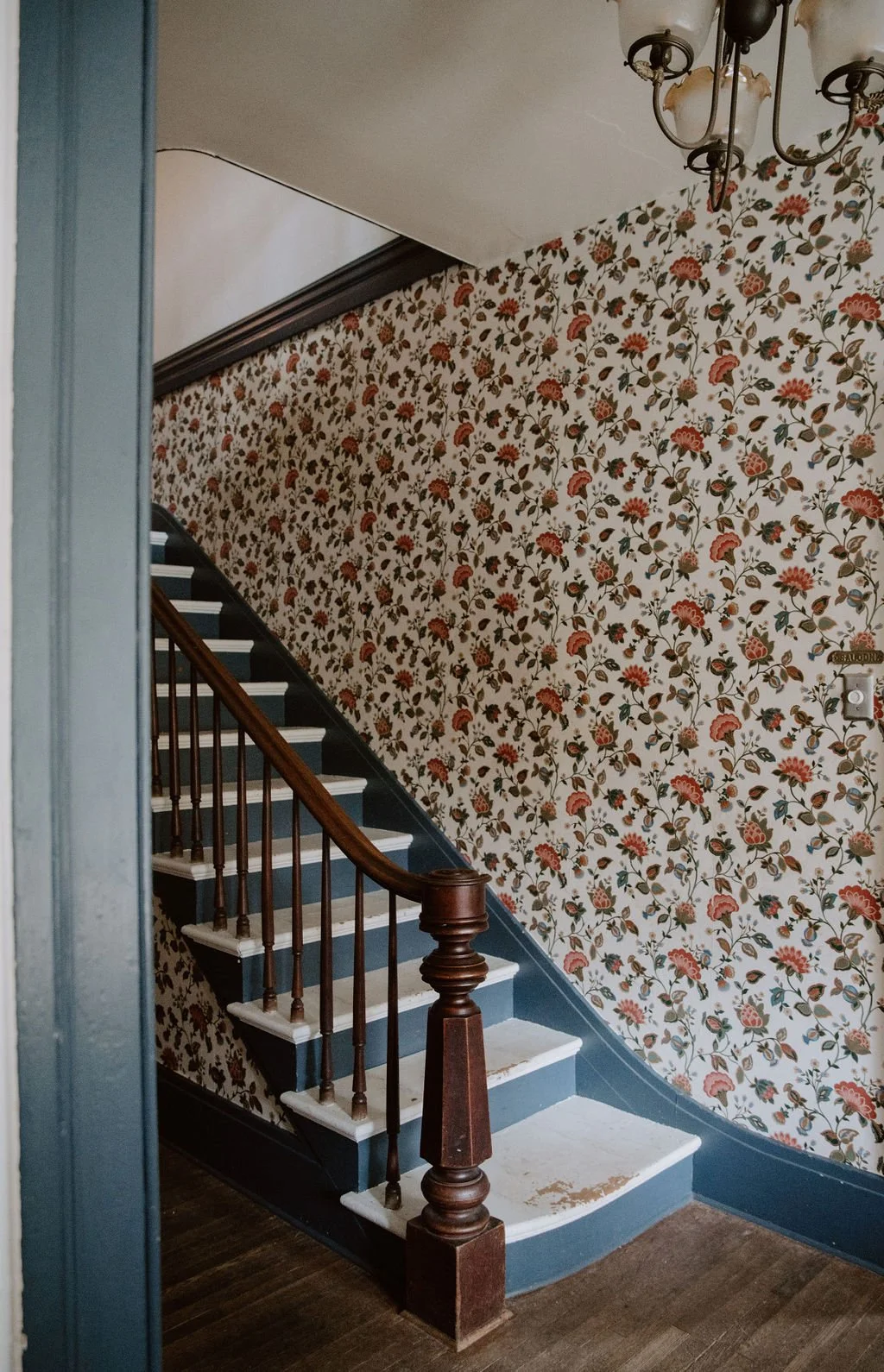
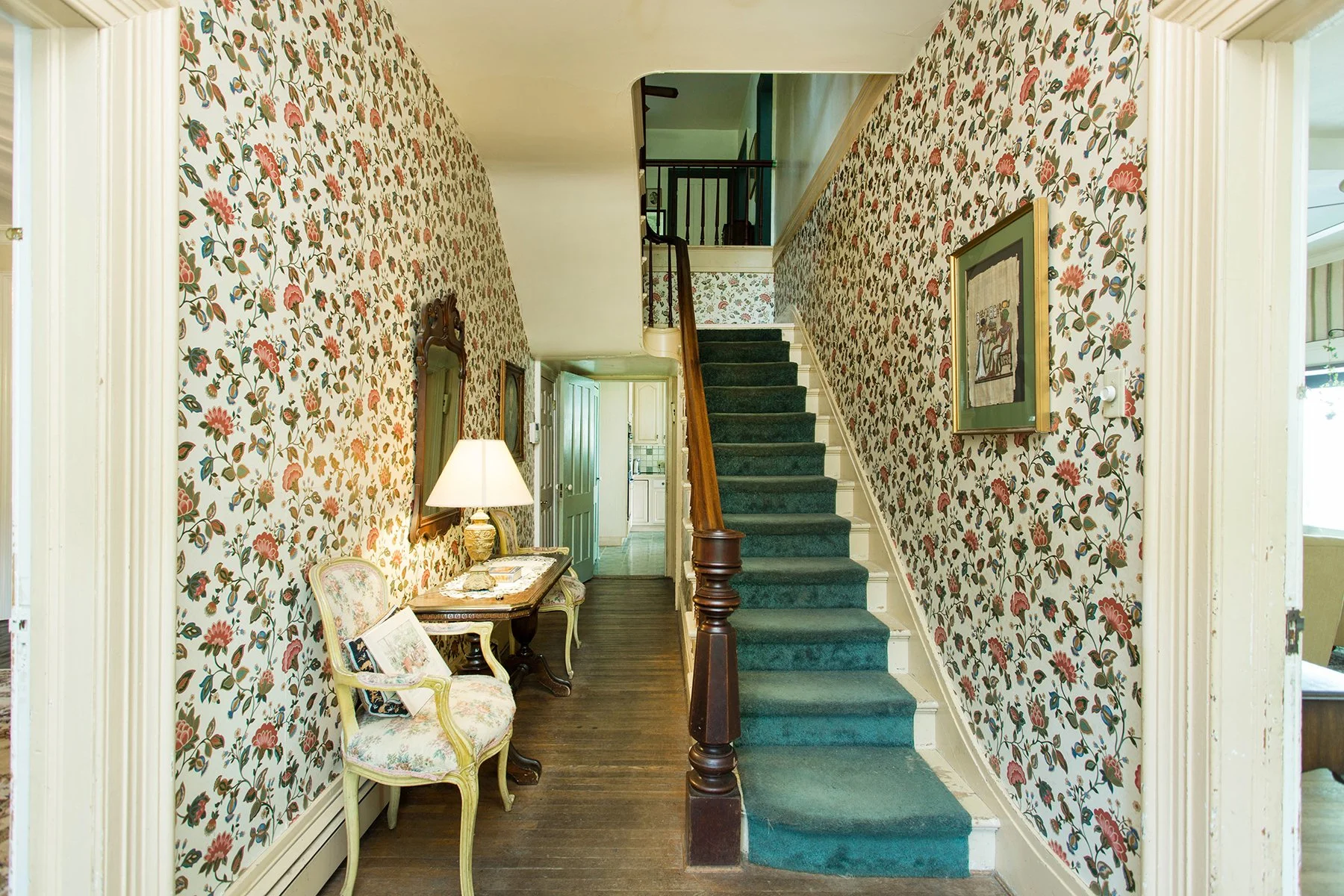
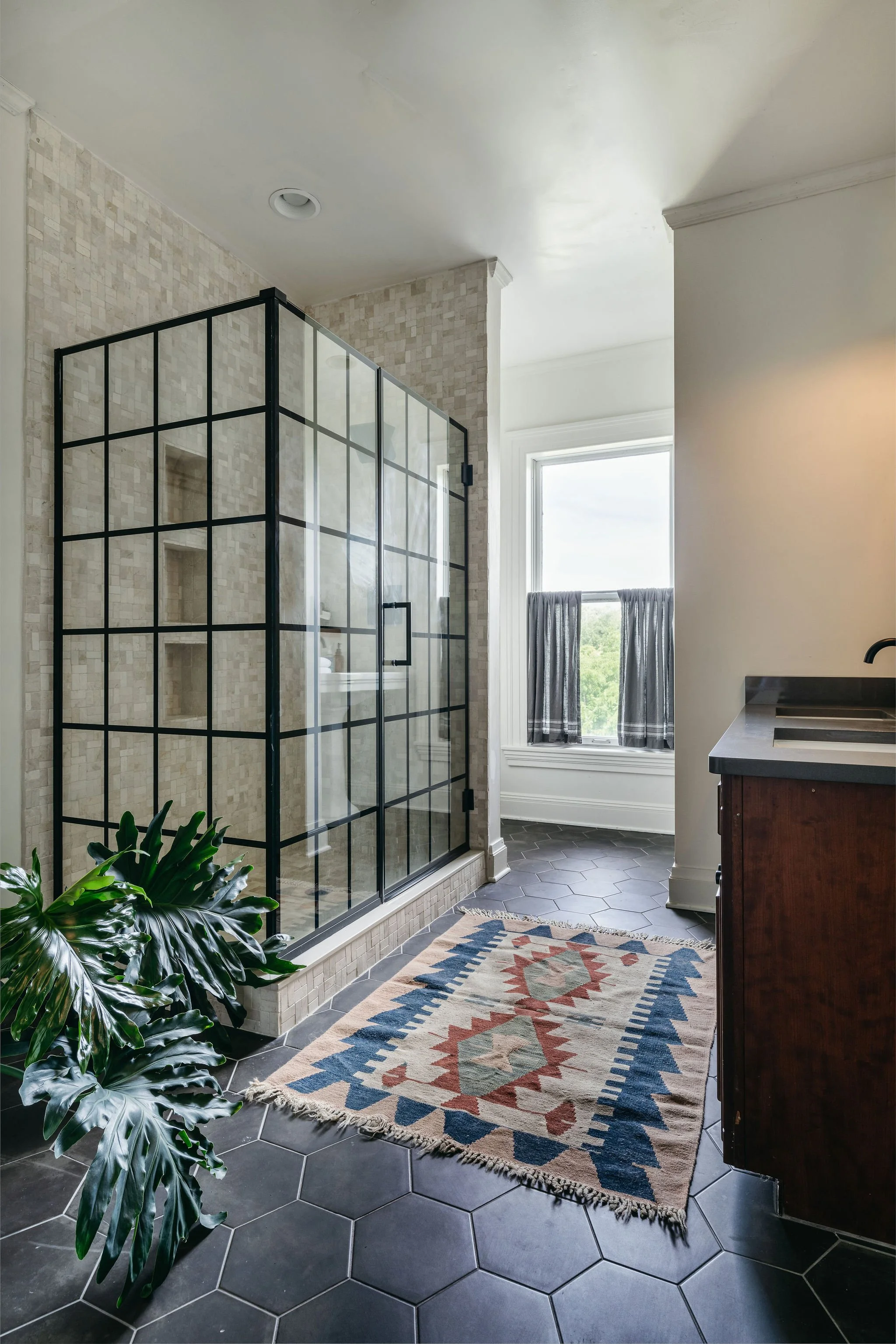
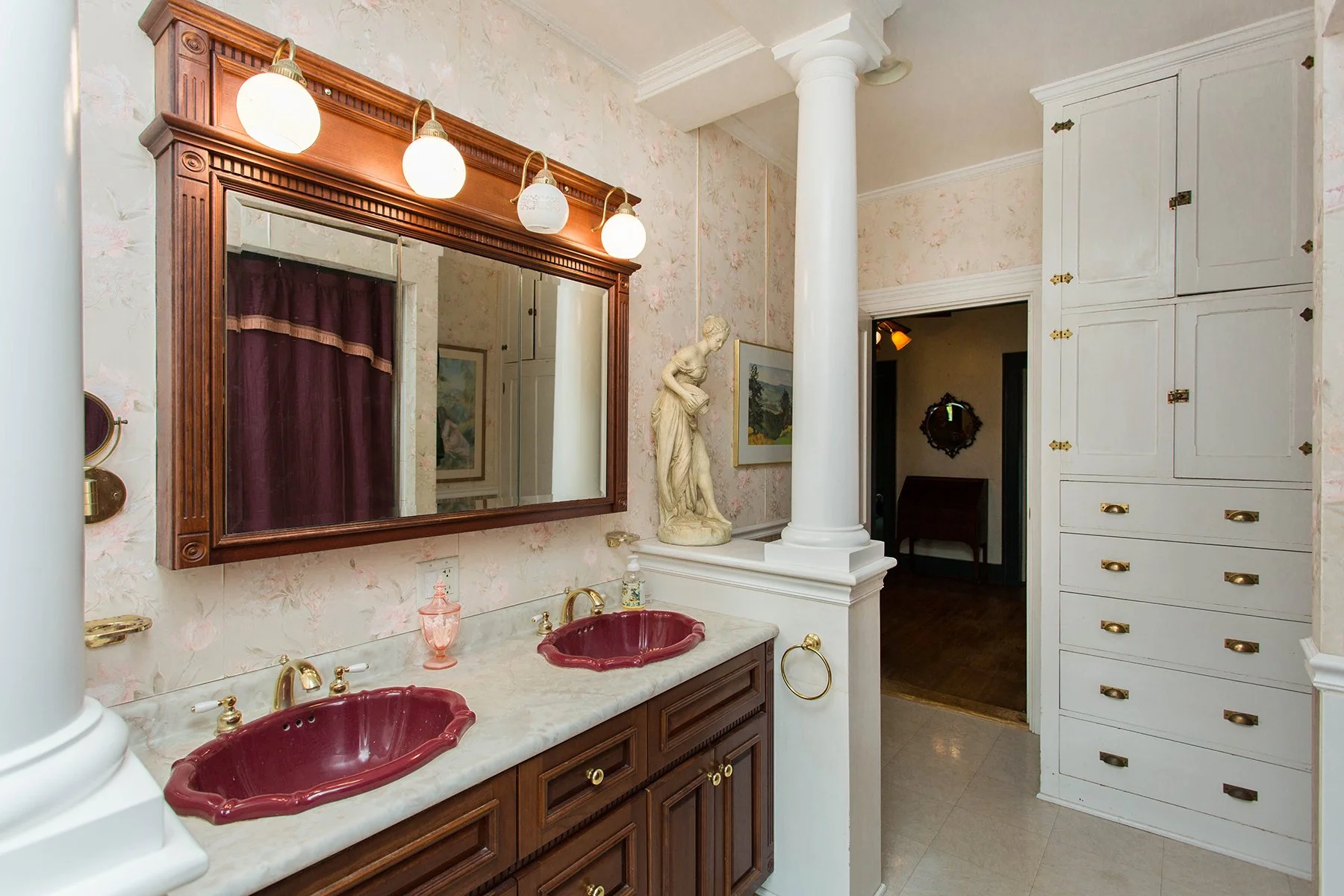
We love these before and after photos from the farmhouse
INTERIORS + HOSPITALITY. A venue that still feels like a home.
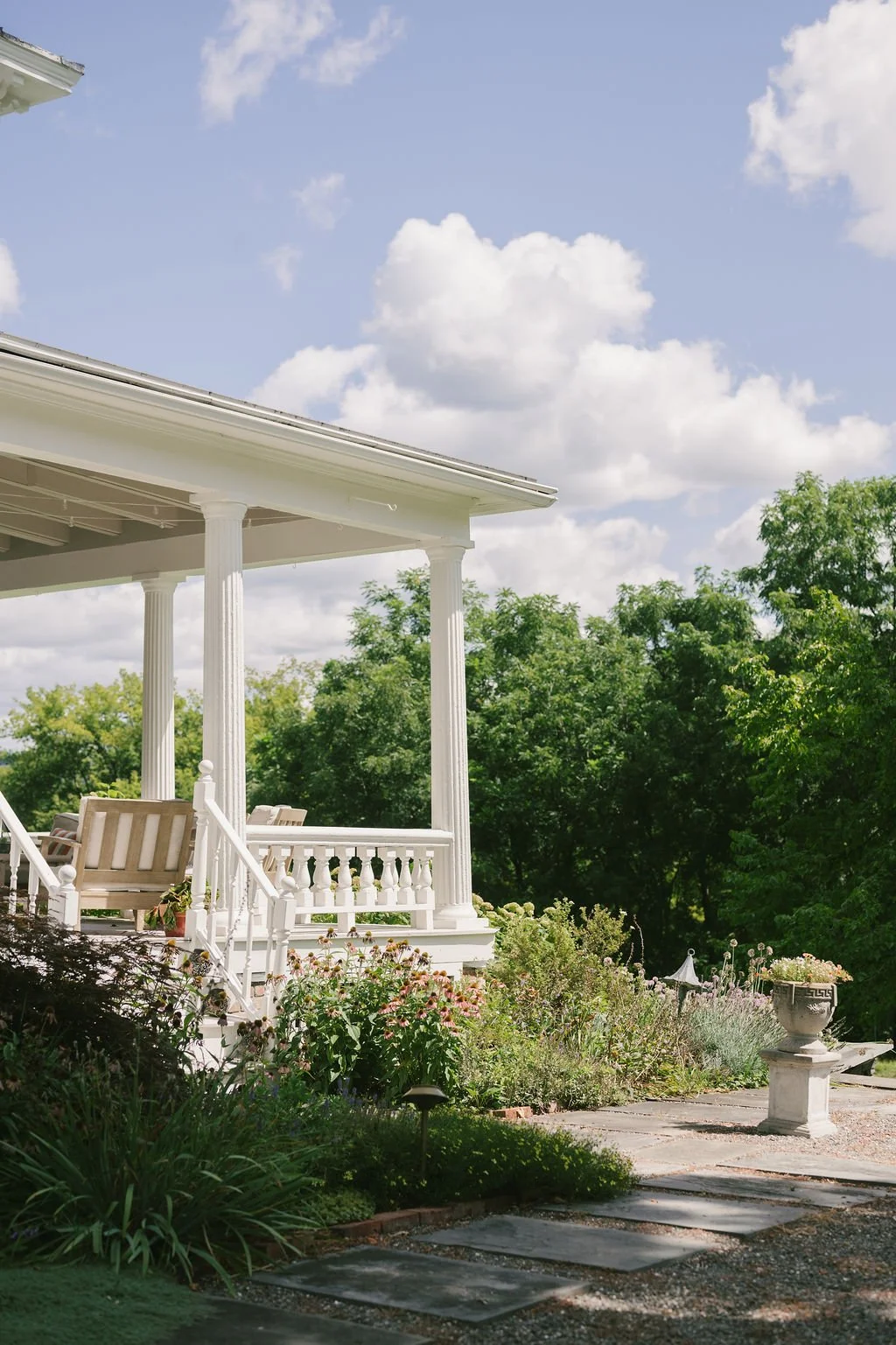
The farmhouse was always central to the idea.
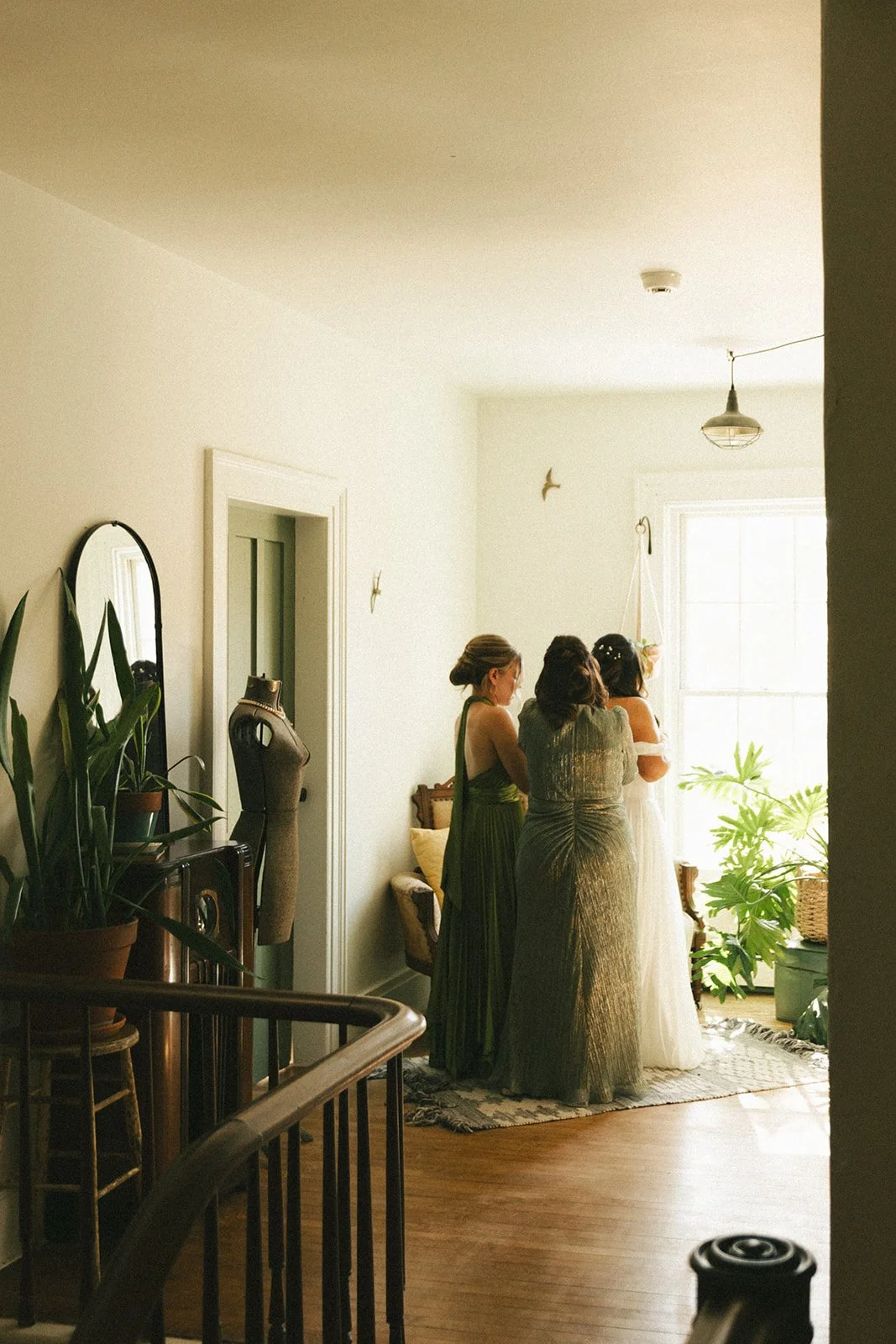
We looked for the right property for over a year, knowing that we wanted to incorporate lodging into the design. I grew up in Washington State so when we decided to get married in New York we knew we would have to find lodging for all of our guests. That process led us when designing our venue a couple years later. We knew we wanted to incorporate lodging.
So, the farmhouse sleeps 17 people across five bedrooms and a bunk room, allowing a couple's closest people to actually live together for the wedding weekend.
But designing lodging inside a wedding venue is a little different from designing a beautiful house.
The spaces have to do both.
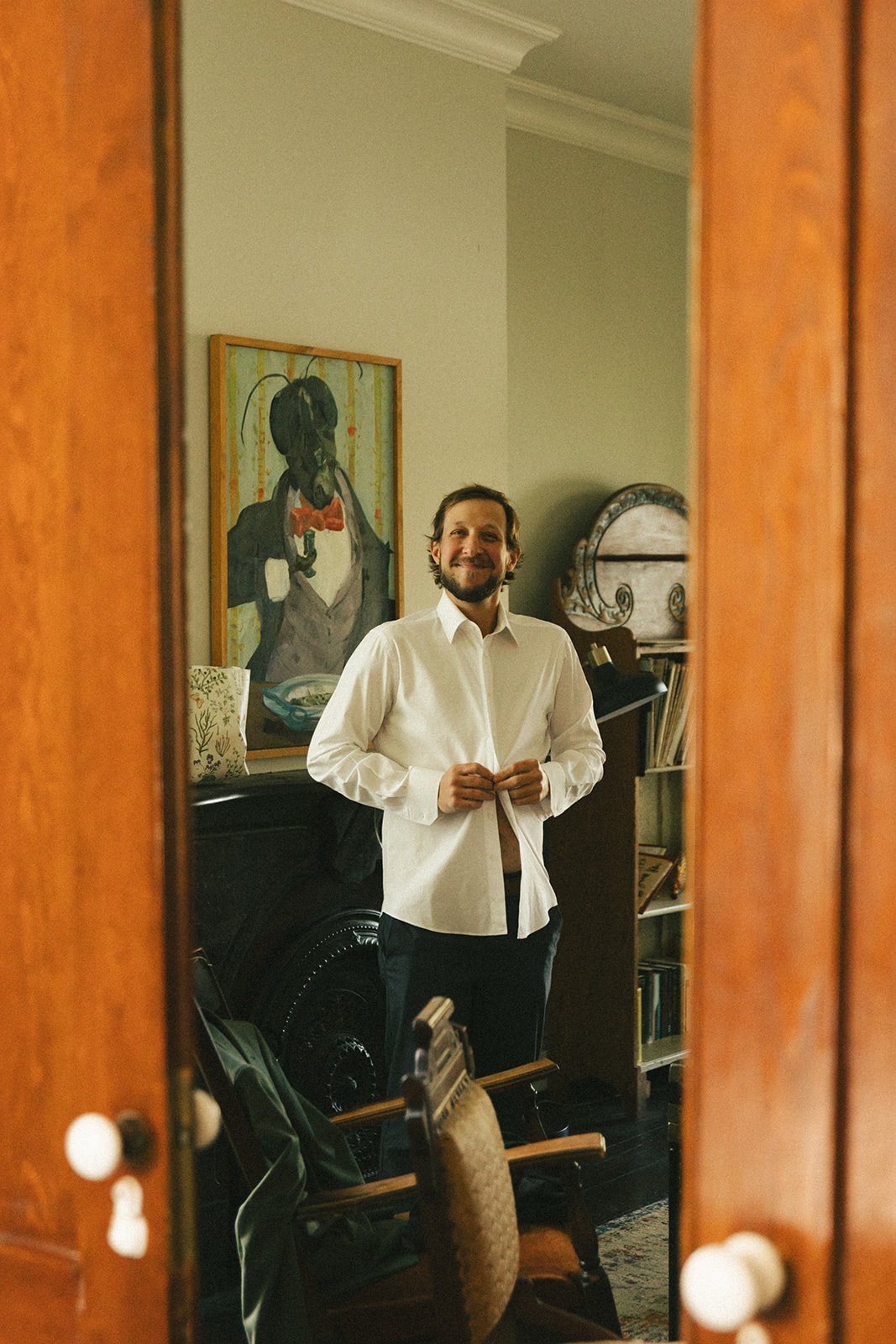
They need to feel warm, personal, curated, and comfortable enough that someone wants to curl up on the sofa with a cup of coffee. They also have to withstand groups of people coming and going, bags arriving, hair and makeup happening, food being prepared, vendors moving through the house, late nights, early mornings, and all of the wonderfully human messiness that comes with gathering people together.
Much of the house has evolved slowly.
We've collected antiques, vintage furniture, art, and objects rather than trying to furnish everything at once. Some things have come from antique stores and flea markets. Others have involved epic Facebook Marketplace drives because apparently a piece of furniture three hours away becomes perfectly reasonable when you decide it belongs in a room. Others were passed down from family members and hold personal memories.
Rooms have changed as we've learned how people actually use them.
The double parlor becomes a gathering place. The kitchen has to support both the people staying in the house and the professionals feeding a rehearsal dinner or brunch. The veranda becomes an event space, somewhere to drink coffee, gather between events, or simply sit and look out at the property.
That balance between how something feels and how it functions has always been important to me and has become one of the most telling pieces of The Maples brand.
Beautiful isn't enough if nobody is comfortable living in it.

LANDSCAPE + EVENT SPACES. Letting the property tell us where things belonged.
Designing The Maples has never stopped at the walls of the farmhouse.
The landscape is as much a part of the experience as any room inside.
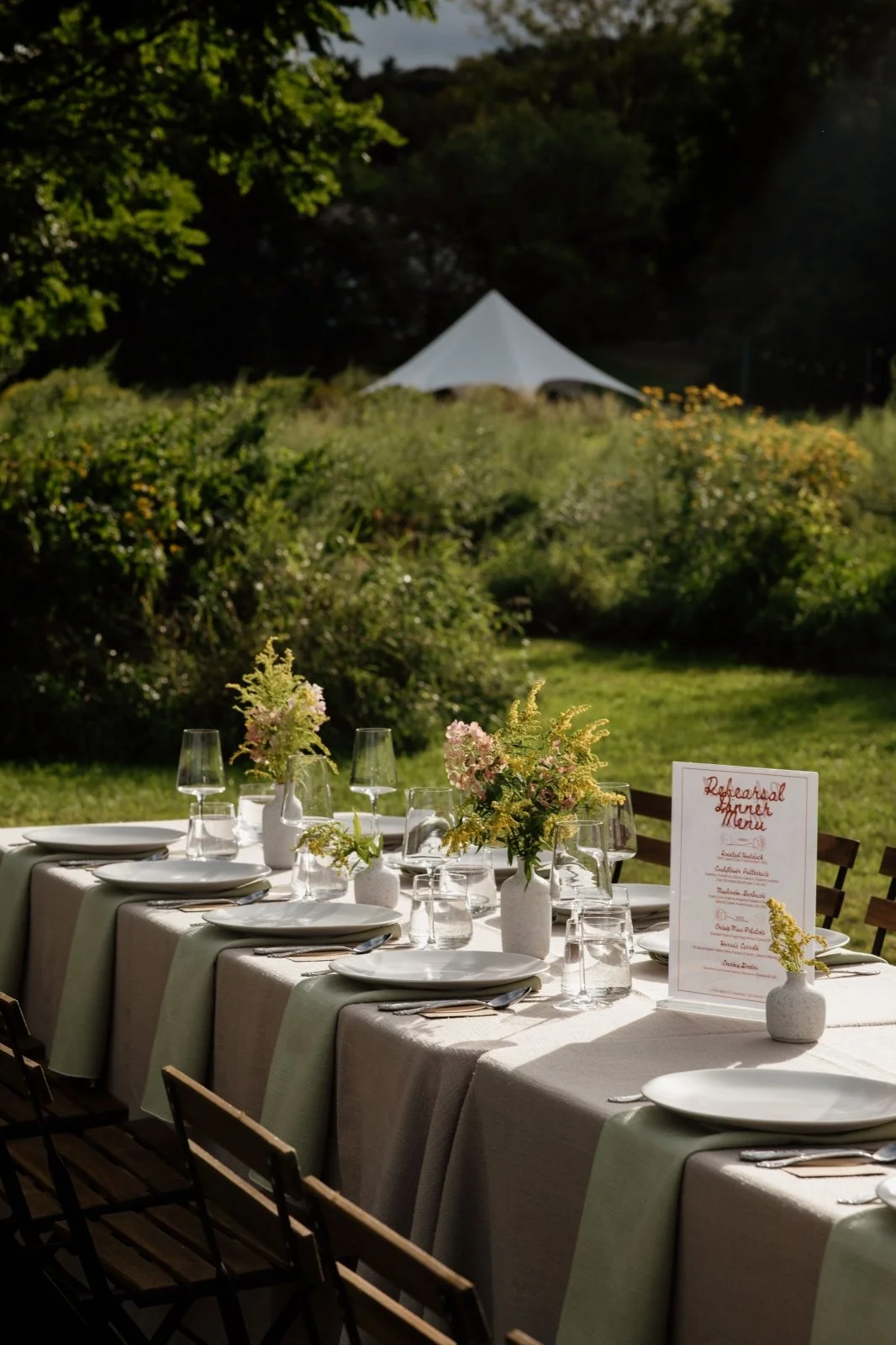
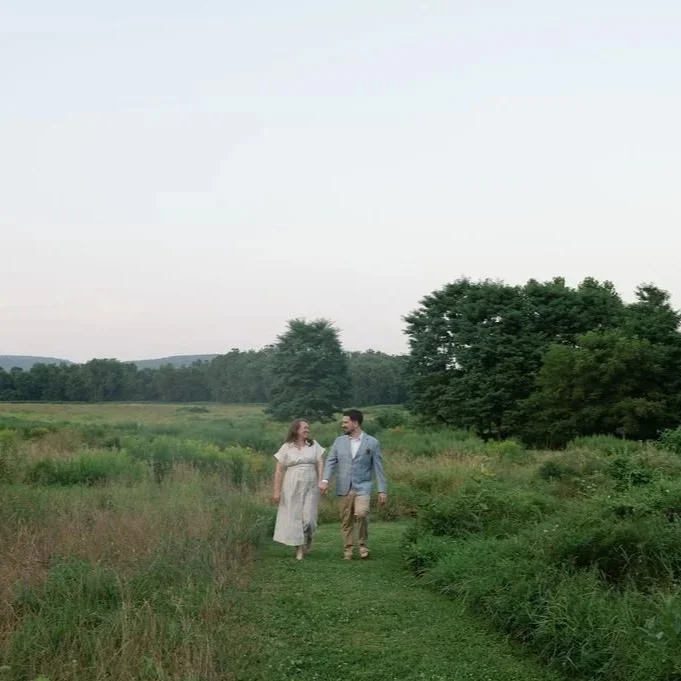
Today, weddings move between a tree grove ceremony space, cocktail lawn, open-air reception pavilion, farmhouse and veranda, fields and meadows, fire pit, pond, and the larger landscape surrounding them.
But we don't think of those simply as a collection of event spaces. We think about the experience of moving between them.
What does someone see when they arrive? Where does their attention naturally go?
What does the walk from the ceremony to cocktail hour feel like?
Where will people wander when nobody has told them where to stand?
Where is the shade?
Where does the light fall during dinner?
What happens after dark?
Landscape design, planting, paths, lighting, furniture, event layouts, and even the spaces we intentionally leave open all influence how someone experiences the property.
Sometimes the most useful design information comes simply from watching people use it.


THE RECEPTION PAVILION. Building a room without closing it in.
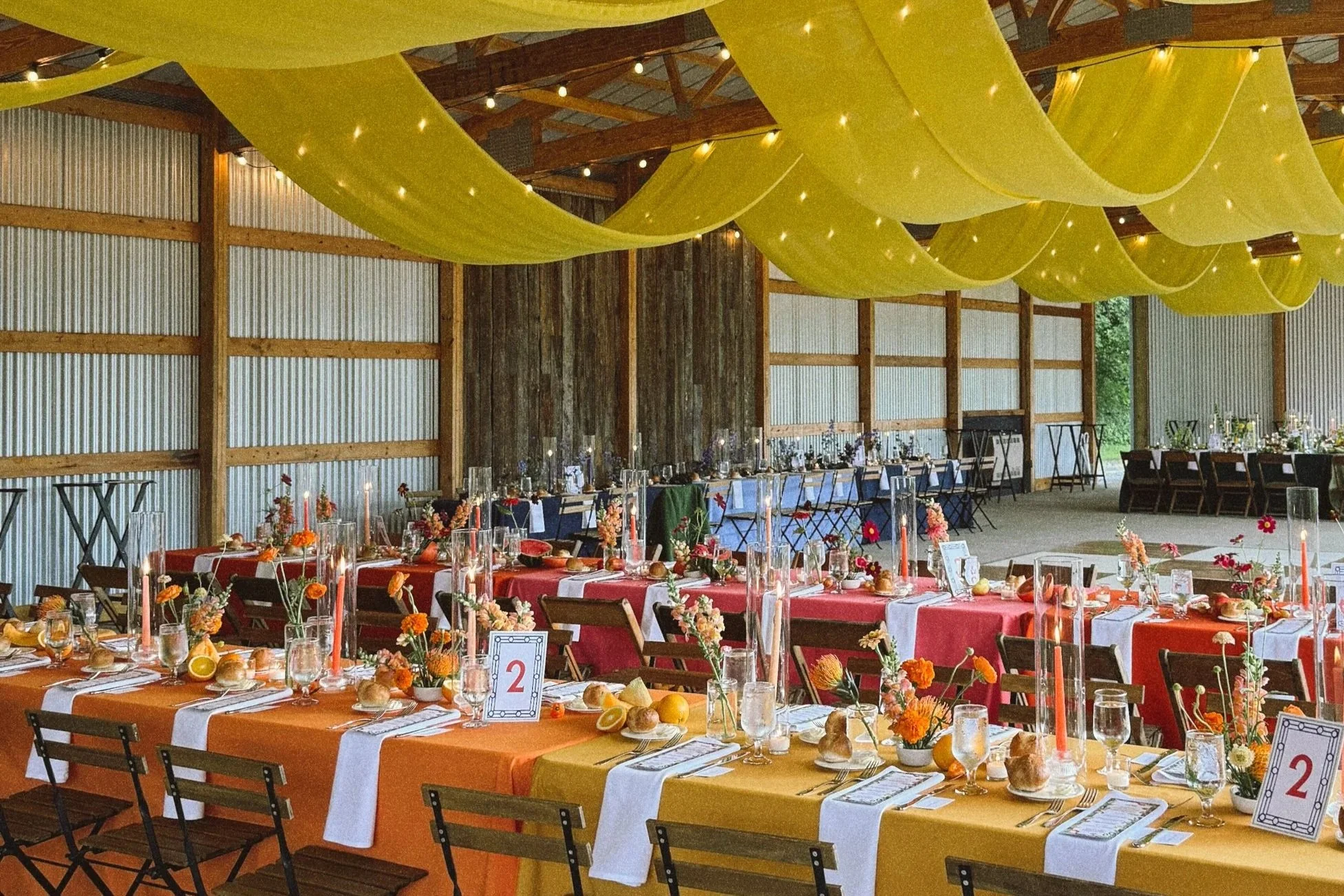
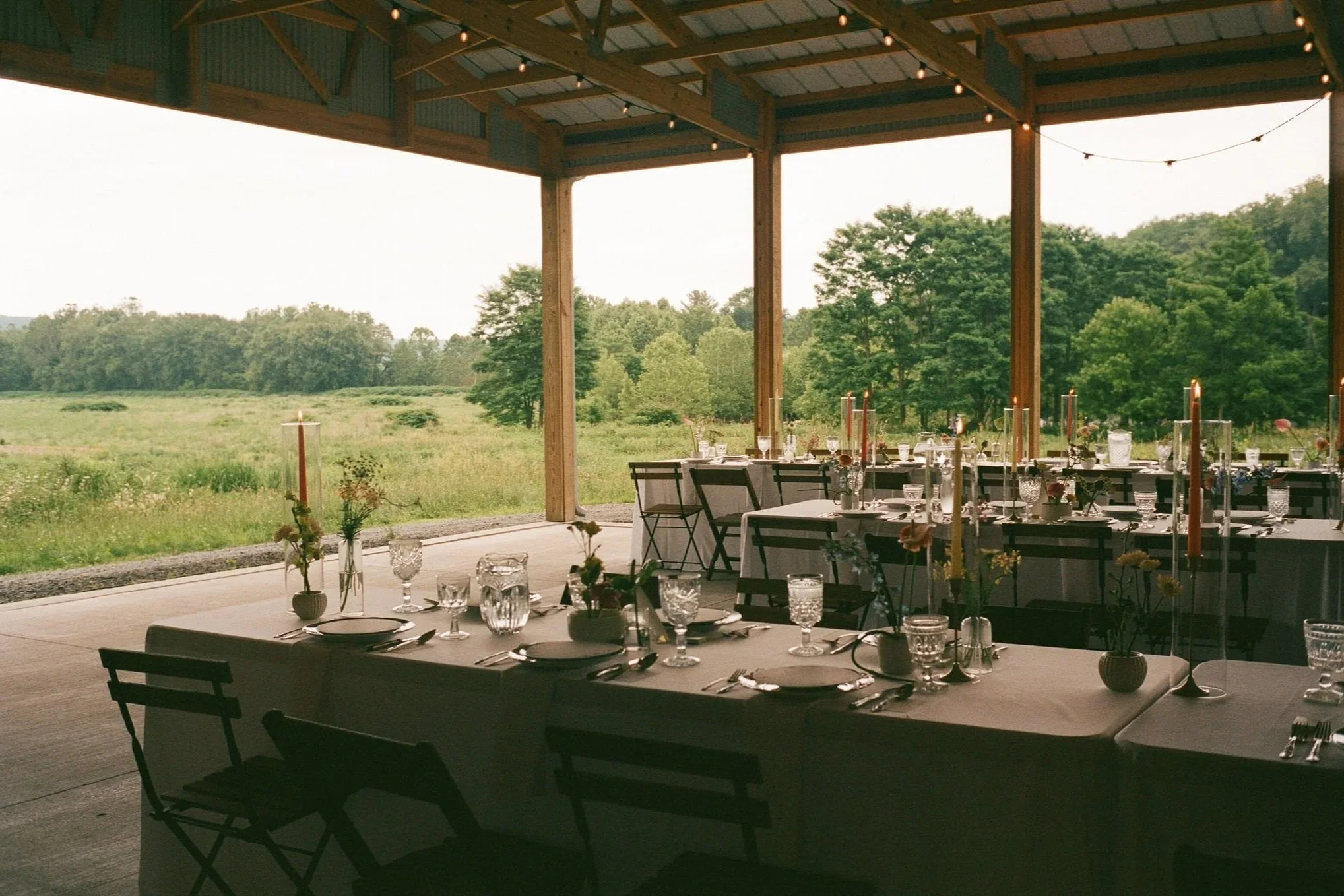
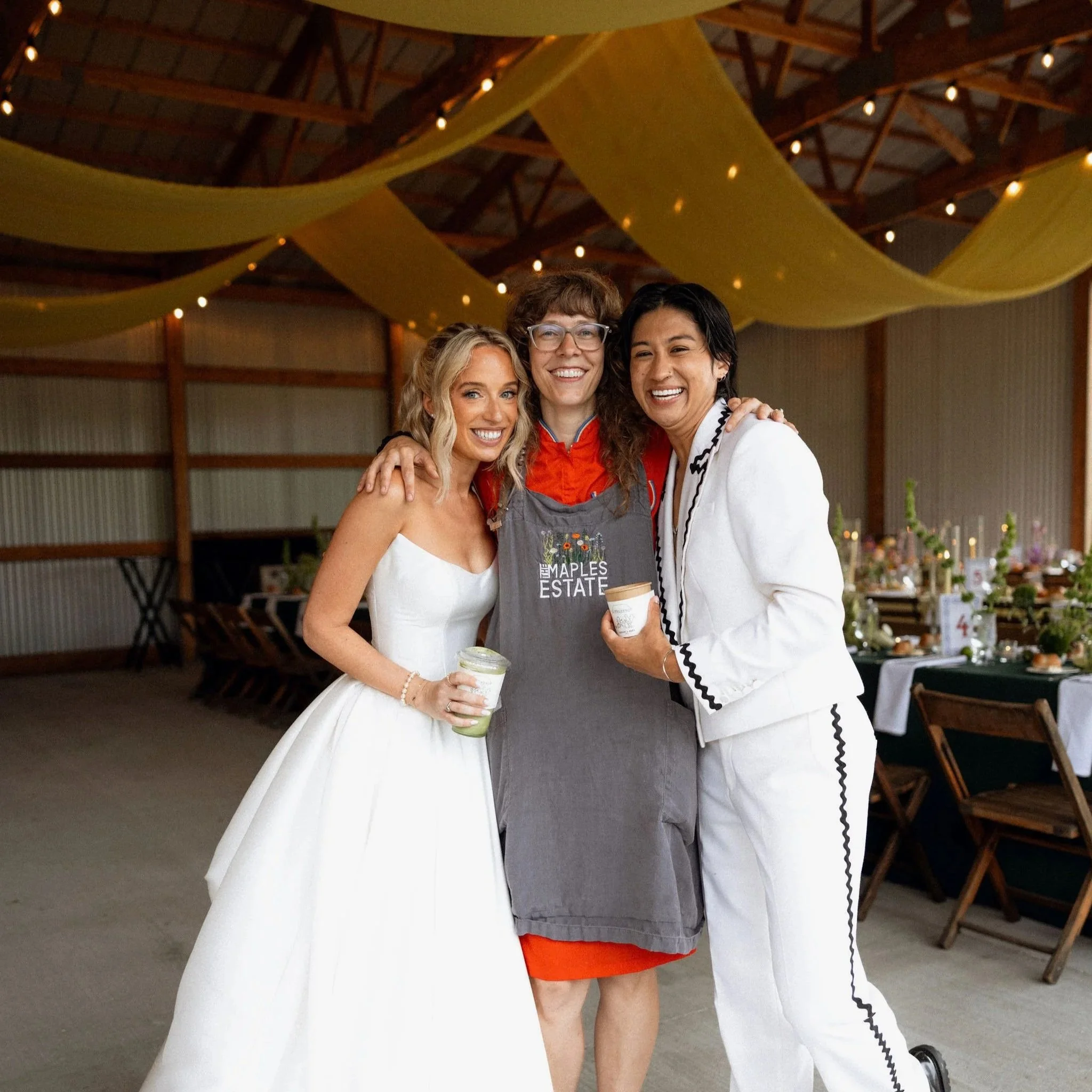
One of the largest additions to the property was our approximately 4,000-square-foot open-air reception pavilion.
We needed a space that could comfortably support a wedding reception and provide real protection from unpredictable Upstate New York weather. But we didn't want the solution to disconnect guests from the reason they were here in the first place.
The landscape.
So the pavilion became a room without traditional walls.
It provides the infrastructure of a reception space, blocking behind the scenes activities guests don’t want to see, while remaining open to the fields, trees, hills, changing light, weather, and sounds of the property around it.
Most importantly, we didn't want to design a reception room with such a strong aesthetic that every wedding held inside it began to look the same.
Instead, the pavilion is the framework.
What happens inside it belongs to the people getting married.

HOSPITALITY + GUEST EXPERIENCE. The things guests may never realize were designed.
Some of the most important design decisions at The Maples aren't particularly photogenic.
Where do guests park?
How do they know where to go?
How does catering access the pavilion without moving through the guest experience?
Where does power come from?
Where are the bathrooms?
What happens when it rains?
Where does someone go when they need a quiet moment?
How do people move safely through the property after dark?
Those questions are design questions, too.
Our background in events and hospitality has shaped the property just as much as our visual instincts have. We think about guest flow, weather plans, transportation, lighting, power, restrooms, staffing, catering, vendor access, sound, setup, breakdown, and the infrastructure happening behind the experience.
When those things work well, guests usually don't notice them.
They simply feel comfortable.
And that's the point. We get comments all the time from couples, their guests and vendors that the wedding was the best managed wedding they had ever attended or worked. That’s because we think about every detail and how they fit together.
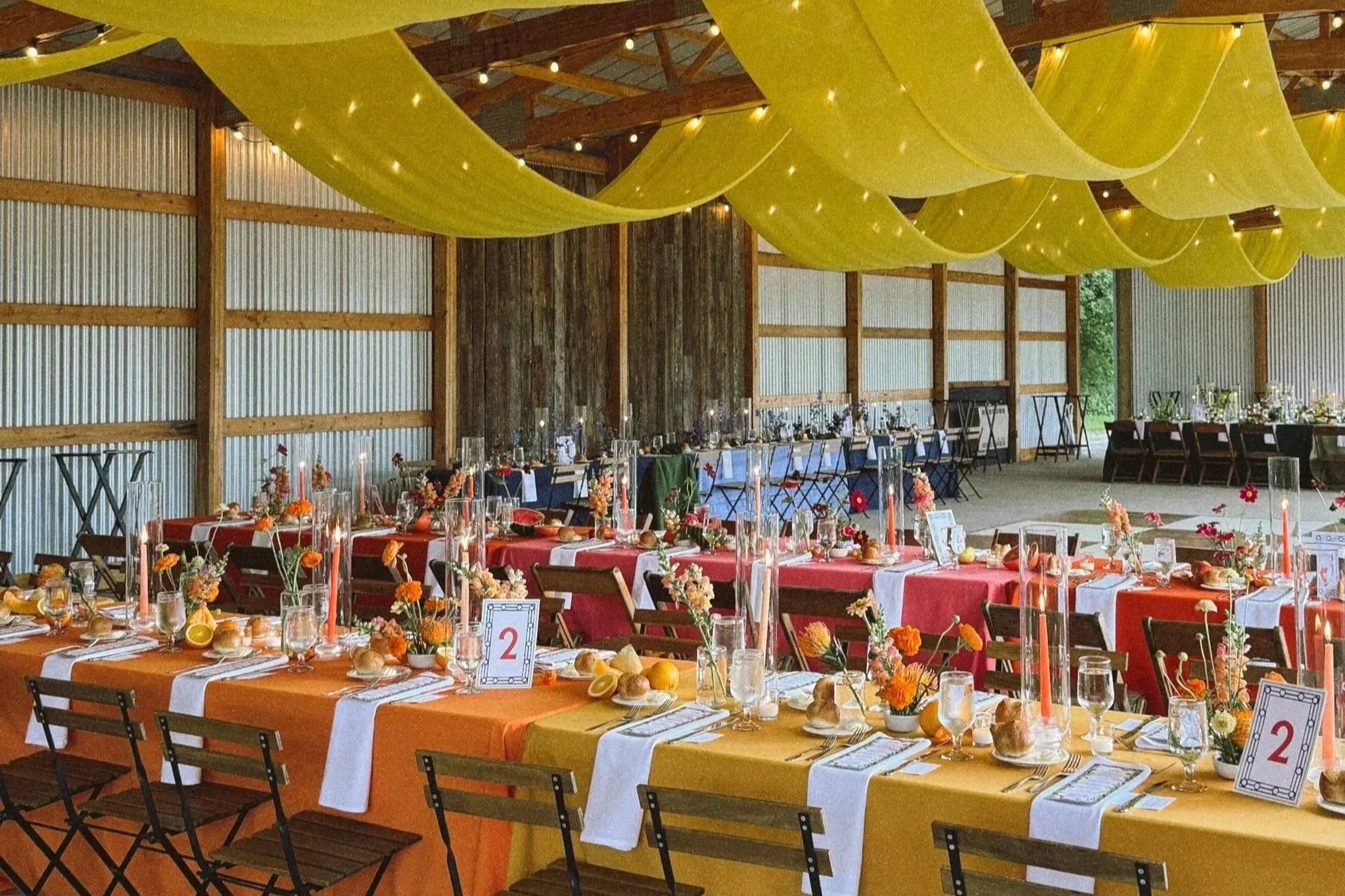
WEDDINGS + CREATIVE DIRECTION. The venue was never supposed to have one look.
We have a point of view about The Maples, but we have never wanted couples to have to fit themselves inside a particular Maples aesthetic.
Quite the opposite.
One of the things I love most about the property is watching it become something completely different from one wedding to the next.
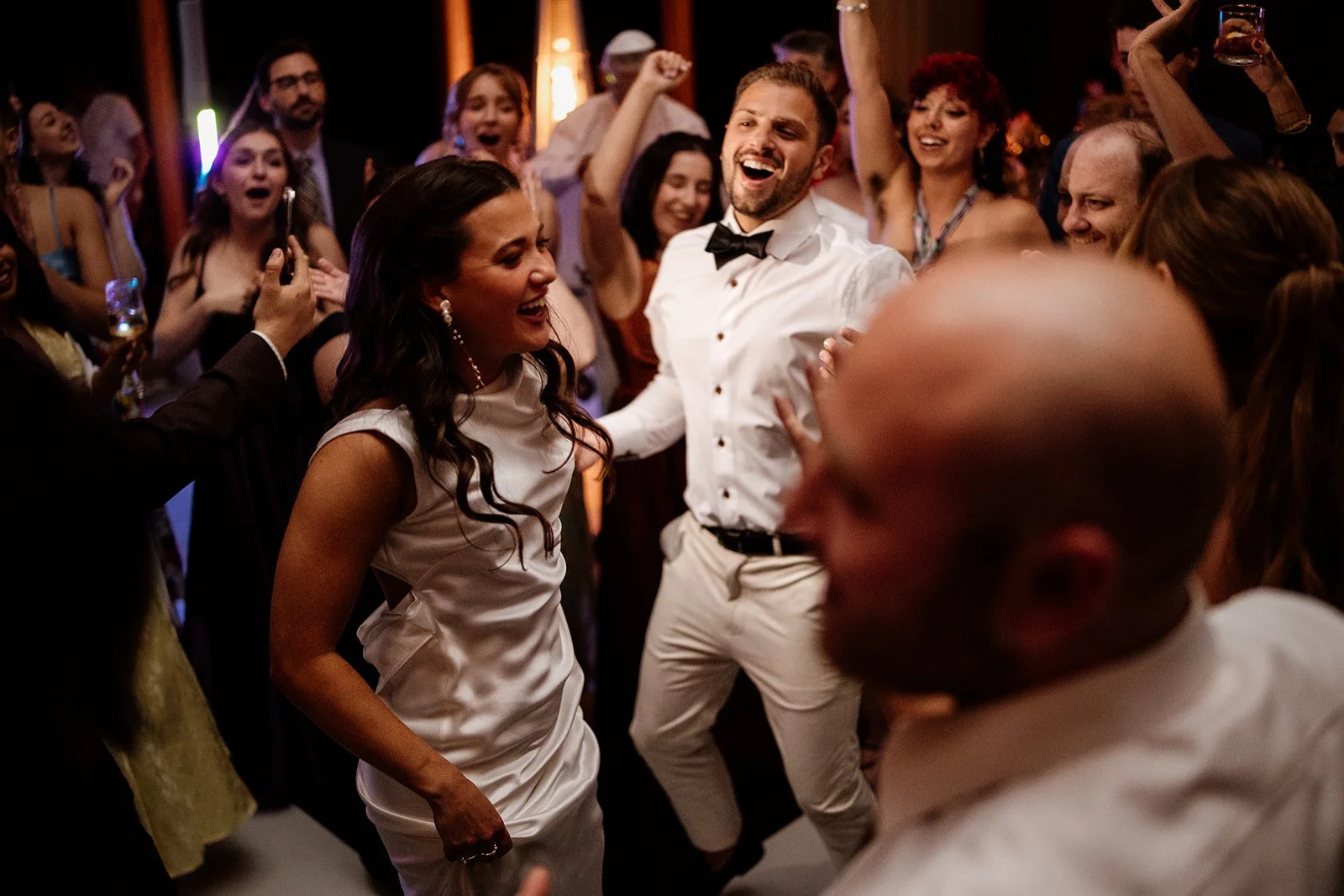
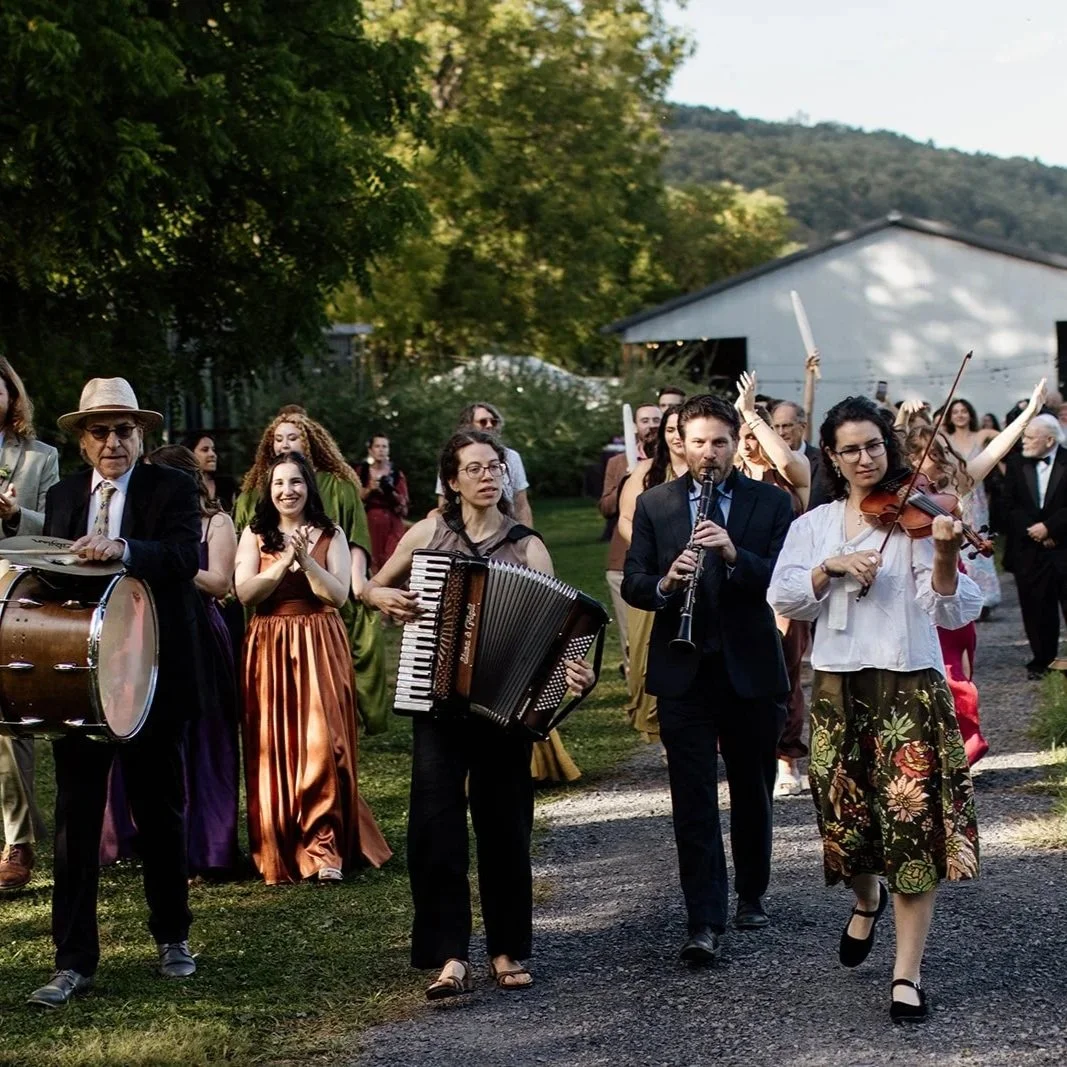
We've seen Victorian romance, modern art museum inspired summer celebrations, sustainable garden-inspired weddings, lush Jewish celebrations with rich florals, green drapery, live musicians, and a packed dance floor, cultural traditions layered together, live music and festival-inspired weekends.
The same pavilion, farmhouse, fields, and trees can become entirely different worlds.
That was intentional.
The property provides the framework. The people determine what it becomes.
As a planner and creative director, I've also had the unusual experience of designing celebrations inside spaces I've helped design. I understand where the sun falls, where guests naturally congregate, what a room feels like with 30 people versus 150, what happens when weather changes, and how the property transforms from afternoon into night.
The venue teaches me how to design the weddings.
The weddings continue teaching me how to design the venue.
BRAND + BUSINESS. The experience doesn't stop at the property line.
Building The Maples has also meant designing something much less tangible than the property itself: the business around it.
A guest may first experience The Maples when they turn onto the property, but a couple begins experiencing it much earlier.
They find a photograph. Land on the website. Read about what a wedding weekend here looks like. Send an inquiry. Receive an email. Tour the property. Begin planning. Meet vendors. Make hundreds of tiny decisions. Eventually they arrive for the weekend.
Those moments should feel connected.
Over time, we've developed the brand, website, marketing, planning systems, client resources, vendor relationships, packages, pricing, communications, and operational structure alongside the physical property.
We've also continued changing them.
Because a beautiful brand cannot compensate for a confusing client experience. A beautiful venue cannot compensate for an exhausting planning process. And a beautifully designed wedding doesn't mean much if the people at the center of it were too overwhelmed to experience it.
The business behind the experience matters.
In many ways, this is where the philosophy behind Second House became clearest to me.
We don't separate design from the way something works.
STILL EVOLVING. A place is never really finished.
There is no moment when we expect to step back from The Maples and declare it complete.
The landscape changes every year. Plants grow, move, fail, surprise us, and occasionally get eaten. Rooms evolve when we find the right piece. Every wedding shows us another way the property can be used. And people are remarkably good at ignoring the route you thought they would take and showing you the route they actually want to take instead.
So we keep paying attention.
Sometimes the answer is a larger project like the pavilion, bathroom container or pathways. Sometimes it's moving a chair, planting something, changing a process, adding a light, or realizing that something is working perfectly well exactly as it is.
The Maples has taught me that good design isn't a finished picture, it's an ongoing conversation between a place and the people using it.
We are always dreaming up the next steps and even have plans to renovate our barn in the future.
THE MAPLES ESTATE TODAY. A place built around time together.
Today, The Maples Estate is an exclusive-use, extended-weekend wedding venue in Schoharie, New York.
The property includes a farmhouse built in 1855 with lodging for 17, an open-air reception pavilion, tree grove ceremony space, cocktail lawn, fields and meadows, a pond, fire pit, and spaces throughout the property designed for gathering, wandering, celebrating, and occasionally doing absolutely nothing.
We host one wedding at a time because that is fundamental to what the place is meant to be.
For a few days, it becomes yours.
But The Maples is also still what it has been since the beginning: an experiment in what can happen when space, hospitality, events, business, brand, and design are treated as parts of the same experience.
It is the project where so many different threads of my career came together.
And, eventually, it helped give Second House a reason to exist.
PROJECT DETAILS
Project: The Maples Estate
Location: Schoharie, New York
Property: 12.5-acre estate + 1855 farmhouse
Project Type: Hospitality · Wedding Venue · Interiors · Landscape · Experience Design · Brand + Business
Owners: Katie Hammon + Louis Apicello
Creative Direction: Katie Hammon / Second House
Ongoing Since: 2018
EXPLORE ALL SECOND HOUSE WORK →